Warehouse floor coatings · North Phoenix
Industrial floors engineered for traffic, load and uptime.
Forklift-rated coatings, densifiers, joint rebuilds and safety striping for logistics, fleet, hangar and light-industrial buildings.
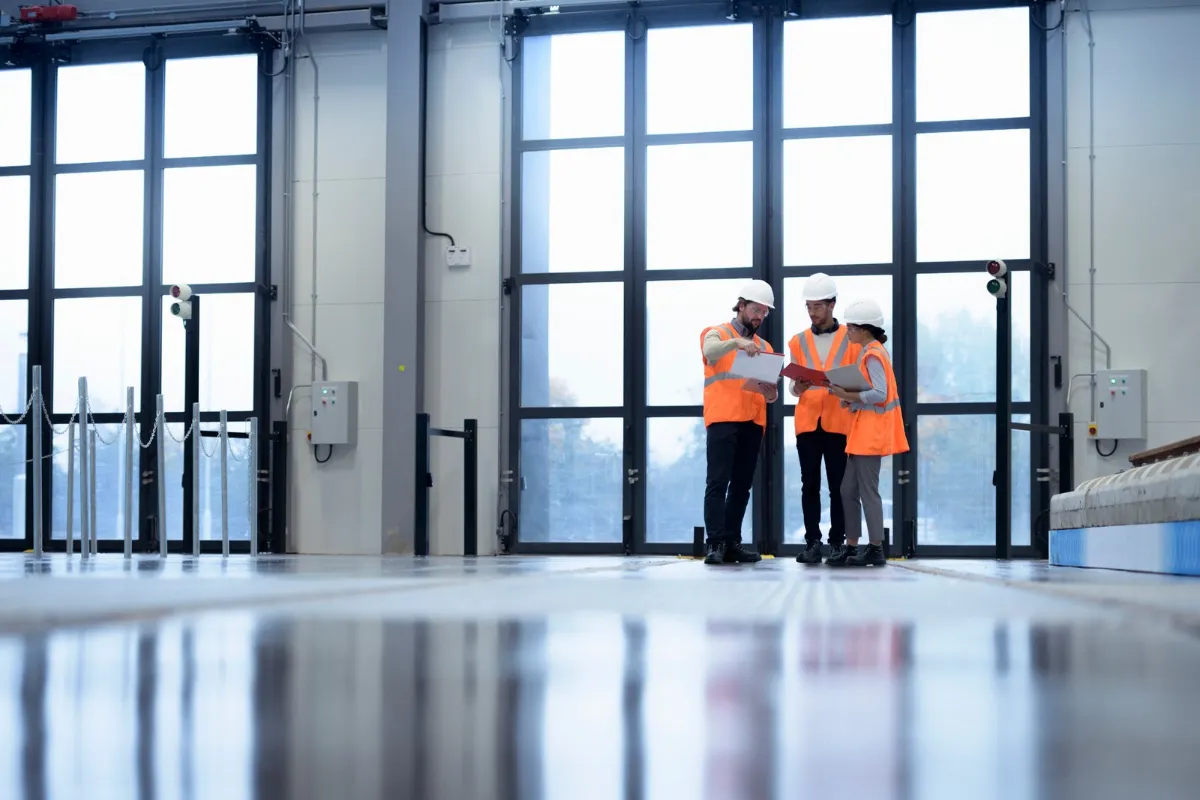
- Delivery
- Phased around operations
- Systems
- Densifier to high-build epoxy
- Joints
- Rebuild & semi-rigid fill
- Markings
- Lanes, zones, numbering
The industrial side of north Phoenix
West of Desert Ridge along the Loop 101, Deer Valley and the surrounding corridors are home to distribution centers, fleet maintenance facilities, contractor yards, aviation businesses and light manufacturing. Their floors carry forklifts, pallet jacks, service vehicles and aircraft — and they’re expected to stay in service with minimal interruption.
Bare concrete wears under that traffic. Forklift wheels abrade the surface, joints spall, and dust settles on inventory and machinery. A properly specified industrial coating addresses wear, dust and safety in one program, and it can be phased so operations continue.
System options by zone
- Densifier + sealer
- Hardens and dust-proofs concrete economically for light-traffic storage.
- High-build epoxy
- Thick, abrasion-resistant coatings for aisles, production and staging.
- Epoxy + urethane
- Adds chemical and scratch resistance in maintenance and fleet bays.
- Slip-resistant aggregate
- Textured surfaces for ramps, docks and wash bays.
- Hangar systems
- Light, reflective, fuel-resistant coatings that improve visibility around aircraft.

Benefits for operations
Dust control
Protects inventory, equipment and air handling.
Wear resistance
Extends floor life in forklift lanes and turns.
Visibility
Reflective floors improve lighting efficiency and safety.
Organization
Striping defines lanes, zones and storage locations.
Joint protection
Rebuilt edges reduce impact on equipment and loads.
Faster cleaning
Sealed surfaces sweep and scrub quickly.
Project approach
- 01
Facility assessment
Traffic, loads, chemicals, joints, moisture and contamination are documented.
- 02
Phasing plan
Zones are sequenced so inventory and equipment can move around the work.
- 03
Surface preparation
A grinder or shot blaster strips away contamination and leaves an open, receptive surface.
- 04
Joint rebuild
Spalled edges are reconstructed and joints filled with semi-rigid material.
- 05
Coating
Zone by zone, the chosen system goes down and is allowed to harden fully before traffic returns.
- 06
Striping
Lanes, walkways and zones are marked; maintenance guidance is provided.
Layouts that match real traffic
Striping should reflect how a building actually operates. Before marking, we observe traffic with your operations lead — where forklifts turn, where pedestrians cross, where congestion forms — and design a layout around it. Typical elements include forklift lanes, pedestrian walkways in contrasting colors, stop lines at doors and intersections, keep-clear hatching at panels and safety equipment, staging areas near docks, and rack or bay numbering.
Moisture and contamination
Older industrial slabs may lack a vapor barrier and can hold years of absorbed oil and hydraulic fluid. Both can undermine adhesion. We test and inspect during assessment and include moisture-mitigating primers or additional degreasing where warranted. That diligence is cheap compared with tearing out a coating that let go.
Maintenance
Regular sweeping or ride-on scrubbing with appropriate pads removes abrasive grit. Inspect joints and dock thresholds periodically and address small chips before they spread. High-traffic striping may need occasional refreshing, which can be done without recoating the floor.
Distribution and logistics
Distribution buildings live and die by throughput. Forklifts and reach trucks run long shifts, pallets move constantly between docks and racking, and any disruption costs money. Floors in these buildings wear first in a few predictable places: dock aprons where trucks unload, intersections where lift trucks pivot, and the main travel aisles.
Rather than coating every square foot identically, we focus heavy-duty systems on those high-wear zones and use densifiers in racked storage where traffic is lighter. Clear striping ties the plan together, separating pedestrians from equipment and organizing staging areas near the docks.
Fleet maintenance and service buildings
Fleet shops and service centers see oil, coolant, hydraulic fluid, battery acid, solvents and heavy vehicles every day. Lifts and jack stands concentrate enormous loads on small areas, and tools are dropped constantly. These floors need chemical resistance, impact resistance and a bright surface so technicians can find dropped parts.
Our typical fleet-bay specification is a high-build base with a chemical-resistant urethane topcoat, aggregate for traction around wash areas, and light colors that improve visibility. Bay markings, lift outlines and hazard zones can be striped into the same system.
Hangars and aviation facilities
Aviation businesses around the north Valley use hangars for storage, maintenance and detailing. Hangar floors benefit from bright, reflective coatings that bounce light up under wings and fuselages, making inspections easier. They also need resistance to jet fuel, hydraulic fluid and skydrol-type fluids, and enough durability for tugs and ground equipment.
Large hangar slabs are typically coated in phases so aircraft can be repositioned around the work. We coordinate closely with facility managers on sequencing and cure times.
Light manufacturing and contractor yards
Smaller industrial users — fabrication shops, cabinet makers, contractors and suppliers — often operate in flex buildings with a front office and a shop or warehouse behind. Their floors take a mix of foot traffic, carts, welding sparks and material storage.
For these spaces we often recommend a practical, cost-conscious approach: a durable coating in the work area, a densifier in storage, and a decorative finish in the office or showroom at the front. A consistent color scheme across the building keeps it looking professional to visiting clients.
Planning and budgeting
Industrial pricing depends heavily on slab condition, joint repair needs, system selection and scheduling. Joint rebuilding is often underestimated; in older buildings it can represent a meaningful share of the work. Night and weekend phasing adds cost but protects revenue. We present options side by side — for example, full coverage versus zoned coverage — so decisions can be made with clear numbers.
Safety color conventions
Consistency matters more than any particular color scheme, but many facilities follow familiar conventions: yellow for aisles and caution areas, white for equipment and racking locations, red for fire equipment, green for safety and first-aid stations, and striped hatching for hazards and areas that must remain clear. Establishing a scheme and applying it uniformly helps new and temporary staff understand the floor at a glance.
Densifier or coating: choosing well
Densifiers react inside the concrete to toughen the surface and curb dust inexpensively; the trade-offs are no color, modest spill protection and weaker adhesion for painted lines. Coatings provide chemical resistance, brightness, defined zones and easier cleanup. Many facilities combine both, applying coatings where traffic and spills are heaviest and densifier under long-term racking.
We price both approaches side by side so the choice is based on clear numbers and operational priorities.
Minimizing downtime
Downtime planning starts at the first walkthrough. We identify which zones can close and when, which must stay open, and how inventory and equipment can be moved. Fast-cure materials shorten closures, and night or weekend crews keep work away from peak activity. A written schedule shared with your team prevents surprises.
Working with safety programs and insurers
Many facilities follow written safety programs or receive guidance from insurers’ loss-control teams. We’re glad to align striping layouts with those recommendations and provide drawings for review before installation. Agreeing on lane widths, crossings and keep-clear zones in advance avoids costly changes later.
Coatings for cold and conditioned storage
Climate-controlled storage for pharmaceuticals, electronics or archives demands clean, low-dust floors and tight control over odor during installation. Low-VOC systems, careful containment and scheduling around deliveries keep sensitive inventory protected. Where storage is refrigerated, we specify systems rated for low temperatures and plan cure times accordingly, since cold slabs slow chemical reactions considerably.
Facilities with clean-room-like requirements may also benefit from integral coves and seamless transitions at walls and equipment, which reduce dust traps and simplify cleaning protocols.
Frequently asked
Can work happen while we operate?
Yes. Phasing, nights and weekends keep facilities running.
How soon can forklifts return?
Anywhere from the following shift to several days, governed by chemistry and temperature.
Do you coat hangars?
Yes. Bright, fuel-resistant coatings are common in hangars.
Do we need a full coating everywhere?
Often not. Densifiers can serve storage zones while coatings protect high-traffic areas.
Can striping be changed later?
Yes. Layouts evolve, and striping can be removed, modified or added as operations change.
How do you handle oil-soaked concrete?
Heavily contaminated areas receive additional grinding, degreasing and, where needed, specialty primers to ensure adhesion.
Do you coat loading dock areas?
Yes. Docks receive heavier systems with aggregate for traction, and dock edges are detailed for durability.
What’s the expected service life?
It depends on traffic, system thickness and maintenance. Thick builds in the main lanes outlive thin ones by a wide margin, and scheduled recoats stretch that further still.
Do you work in occupied facilities?
Yes. Most industrial projects are completed in phases while the building remains in use.
Do you repair damaged slabs before coating?
Yes. Spalls, potholes and broken joints are rebuilt with industrial repair mortars before the coating goes down.
Can you coat around racking anchors?
Yes. We work carefully around fixed racking and seal around base plates; relocating racking allows full coverage.
Related
Continue exploring.
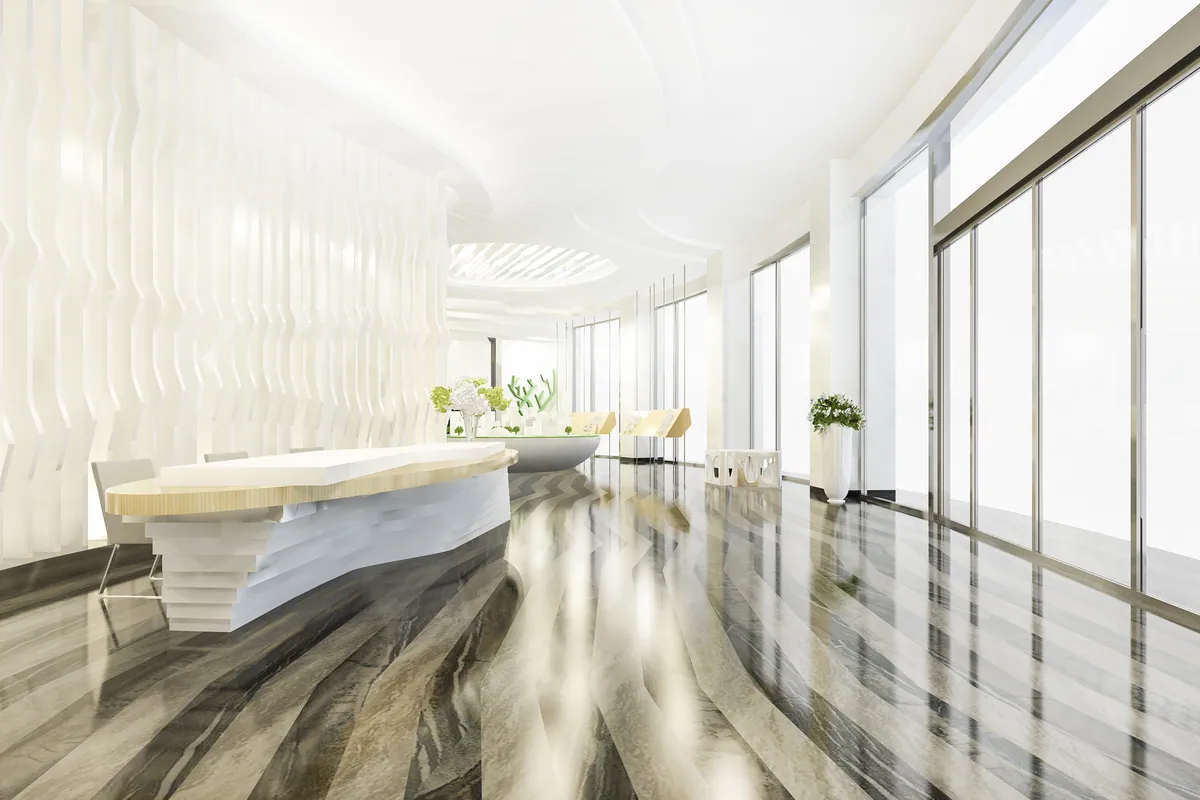 Commercial Epoxy FlooringLobbies, showrooms, offices, salons and restaurants that need to look sharp and clean fast.
 Polyurea Floor CoatingsAn elastic, high-bond base layer for demanding garages and service spaces.
 Garage Floor CoatingsArchitectural garage floors for daily drivers, EVs and collector cars — flake, solid or showroom finishes.
Consultation
Planning a facility floor program?
We’ll walk the building with your team and build a phased plan.
Call (480) 000-0000