Decorative flake flooring · Desert Ridge
Flake floors, refined.
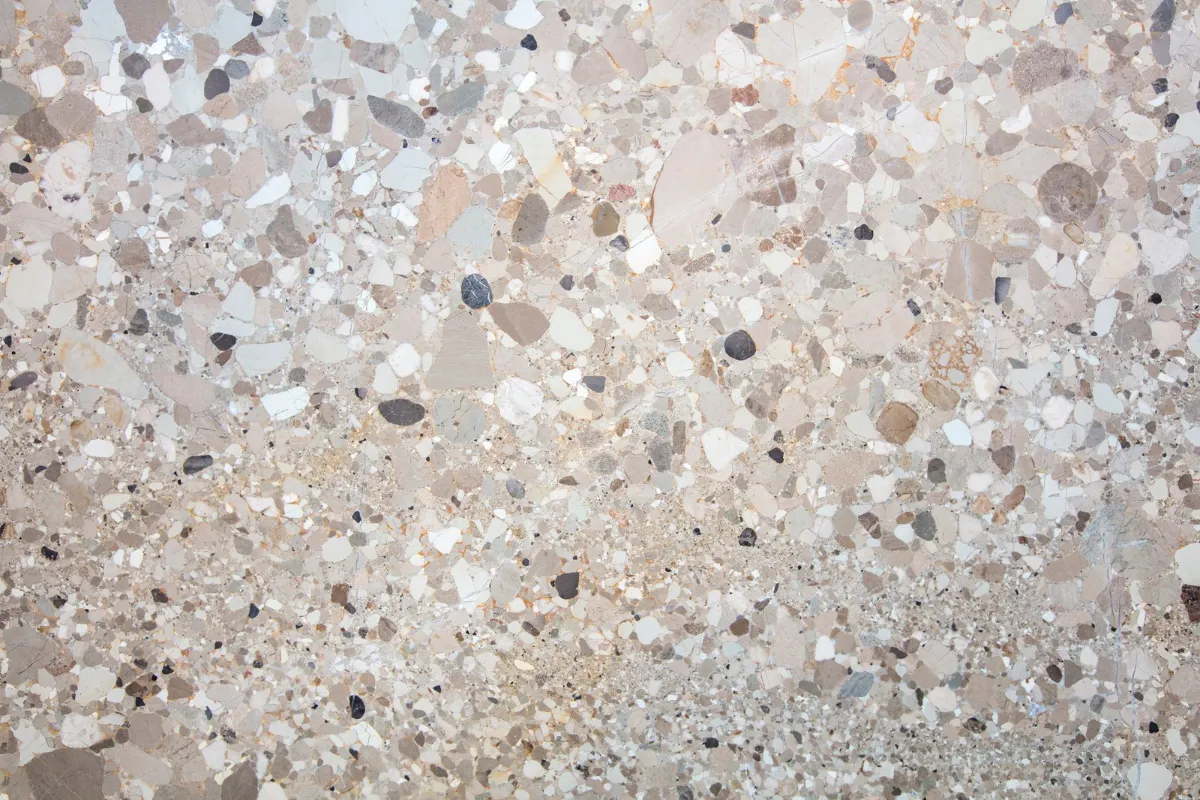
Graphite, granite, pearl and micro-flake blends with a quiet texture — the practical finish, designed to look intentional.
- Typical timeline
- 1–2 days
- Chip sizes
- ¼", ⅛", micro
- Coverage
- Full or partial
- Topcoat
- Gloss, satin, textured
More than a garage finish
Decorative flake has a reputation as the classic garage floor, and for good reason: it’s durable, forgiving and practical. But the category has evolved. Today’s blends include restrained palettes of graphite, slate, pearl and warm stone, along with micro-flake sizes that read more like terrazzo than speckled garage paint. Used thoughtfully, flake can suit modern architecture as well as any other finish.
The construction is straightforward. A tinted base coat is applied to ground concrete, colored vinyl chips are broadcast into it while wet, the excess is removed after cure, and a clear topcoat seals the system. What separates a refined flake floor from an ordinary one is blend selection, chip size, coverage and execution.
Modern blend directions
- Graphite
- Charcoal, slate and black with a touch of white. Crisp and contemporary, pairs with dark cabinetry and black window frames.
- Granite
- Balanced grays with flecks of white and black. Versatile and the easiest to live with in busy garages.
- Pearl
- Whites, light grays and a hint of beige. Bright and airy, ideal for studios and gallery-like spaces.
- Warm stone
- Greige, taupe and sand for homes with warm stucco and natural materials.
- Custom
- Blended from individual colors to coordinate with cabinetry, brand colors or architectural finishes.
Size and coverage change everything
Chip size sets the scale of the pattern. Quarter-inch chips give the familiar garage look and maximum camouflage. Eighth-inch chips feel finer and more tailored. Micro-flake creates a soft, almost granular texture closer to terrazzo — our usual recommendation for interiors and refined commercial spaces.
Coverage controls density. Full broadcast buries the base coat completely, delivering maximum durability, texture and dust-hiding ability. Partial broadcast leaves the base color visible between chips, for a lighter, more graphic look that shows a little more dirt.

Why flake remains so popular
Camouflage
Dust, sand and scuffs disappear into the pattern between cleanings.
Texture
A gentle surface that grips better than smooth gloss.
Durability
Chips add body to the system and resist impact.
Repairability
Damage can be patched and blended more easily than solid finishes.
Range
From quiet tonal blends to bold custom mixes.
Installation
- 01
Prepare
Diamond grinding removes sealers and paint; repairs are filled and ground flush.
- 02
Base coat
A tinted base matched to the blend is rolled in sections.
- 03
Broadcast
Chips are thrown upward to fall evenly, section by section, to the planned coverage.
- 04
Scrape
After cure, standing chips are knocked down and the floor vacuumed.
- 05
Seal
A clear topcoat encapsulates the chips and sets sheen and texture.
Execution separates good from refined
An uneven broadcast leaves patches where the base shows through or heavy spots where chips piled up, which is most noticeable in light blends and partial coverage. Inadequate scraping leaves sharp edges that feel rough and wear the topcoat unevenly. A thin topcoat fails to lock chips in fully. These are the details that make a flake floor look either crafted or cheap.
We broadcast in planned sections with consistent technique, scrape thoroughly and apply topcoats at full thickness. The finished surface is uniform from wall to wall and pleasant underfoot.
Beyond the garage
Micro-flake and eighth-inch blends work beautifully in laundry rooms, mudrooms, studios and gyms, where a little texture and pattern are welcome. In commercial settings, flake is a durable and economical choice for restrooms, break rooms, retail back-of-house and locker rooms. Outdoors, with a UV-stable textured topcoat, flake suits covered terraces and pool surrounds.
Choosing a blend for your space
Start with the largest surfaces around the floor: cabinetry, garage door, walls and nearby flooring. Contrast usually looks deliberate, so a graphite floor under white cabinets or a pearl floor under charcoal cabinets tends to work well. If the space faces the street with the door open, consider how the floor relates to the home’s exterior palette too.
Then think about maintenance. Mid-tone blends hide the most. Very light blends brighten a space but show tire marks sooner; very dark blends show dust. We bring full-size boards so you can see each option against your actual finishes.
Desert Ridge considerations
Sunlight through open garage doors and large windows makes UV resistance essential. All of our flake floors are sealed with a UV-stable topcoat so chips and base color hold their tone. Fine desert dust is constant, which is why granite and warm stone blends are perennially popular here — they look clean far longer between sweeps.
Care
Dust mop or sweep weekly. For deeper cleaning, use a soft brush with a dilute neutral cleaner and rinse. Avoid acidic cleaners and abrasive pads, which dull the topcoat. Drips sit harmlessly on the sealed top, but wiping them quickly keeps the pattern crisp.
Flake in a contemporary garage
Modern garages often feature flat-panel cabinetry in white, charcoal or wood tones, glass-paneled doors and linear LED lighting. A refined flake floor ties these elements together without competing with them. Graphite blends under white cabinets read crisp and graphic; pearl blends under dark cabinets brighten the room and emphasize the contrast. Warm stone blends work with wood-look cabinetry and bronze hardware.
Because chips scatter light, flake floors look softer under LED panels than gloss solids, which mirror every fixture. Many owners appreciate that softer look for daily use, saving high-gloss finishes for collector spaces.
Terrazzo-inspired interiors
Terrazzo has returned as a design favorite, but true poured terrazzo is costly and heavy. Micro-flake coatings offer a lighter, more affordable interpretation: a fine, granular speckle that suggests stone aggregate in a resin matrix. In laundry rooms, mudrooms, studios and powder rooms, it adds texture and visual interest while remaining easy to clean.
For the most convincing effect, we pair micro-flake with a base color that matches the dominant chip tone and finish with a satin topcoat. The surface reads as a refined architectural finish rather than a coating.
Commercial uses for flake
Flake floors are workhorses in commercial settings. Restrooms, locker rooms, break rooms, stockrooms and corridors benefit from the durability, slip resistance and economy of a flake system. Custom blends can incorporate brand colors, and integral coves can be added for sanitation. In customer-facing areas, finer chips and restrained palettes keep the look polished.
Texture and slip resistance
Flake floors naturally have a mild texture after the chips are scraped and sealed. For additional traction — near pool doors, in wash bays or along ramps — fine aggregate can be added to the topcoat. The amount can be adjusted: a light addition improves grip with little change to feel or cleanability, while heavier amounts suit wet commercial zones. We demonstrate options on sample boards.
Comparing flake to other finishes
Against solid colors, flake hides dust, scuffs and tire marks far better and offers built-in texture. Against metallics, it’s more forgiving in high-traffic, gritty spaces and easier to repair. Against polished concrete, it provides stronger stain resistance and more design control. For most garages and utility spaces, it delivers the best balance of durability, appearance and maintenance.
What affects the price of flake
Pricing reflects slab condition, the amount of repair, chip size, coverage, blend and topcoat. Clean, sound concrete prepares quickly; old coatings and heavy staining take longer. Full coverage uses more material than partial. Custom blends and micro-flake can cost slightly more. Each factor is listed separately so comparisons are straightforward.
Matching flake to the home’s exterior
When the garage door is open, the floor becomes part of the home’s street view. A blend that echoes the exterior — warm stone with tan stucco, graphite with dark window frames, pearl with white modern facades — makes the garage feel integrated with the architecture. Bring a photo of the exterior to the consultation, or step outside with the sample boards to compare directly.
Frequently asked
Can flake look modern?
Yes. Restrained blends like graphite or pearl, especially in finer chip sizes, suit contemporary architecture.
Is micro-flake as durable?
It offers similar protection; the difference is primarily visual. Full broadcast adds the most body regardless of size.
Do chips ever loosen?
No. They’re embedded in the base and sealed under the topcoat.
Can you match brand colors?
Custom blends can incorporate specific colors for commercial spaces.
How does flake handle hot tires?
Very well. The pattern hides minor tire marks, and the topcoat resists softening.
Is flake suitable for a showroom garage?
It can be, especially in fine sizes and gloss. For maximum reflection, many collectors choose a solid gloss or metallic instead.
How long does a flake floor last?
With proper preparation and reasonable care, a professionally installed flake system lasts many years; the topcoat can be refreshed as needed.
Related
Continue exploring.
 Garage Floor CoatingsArchitectural garage floors for daily drivers, EVs and collector cars — flake, solid or showroom finishes.
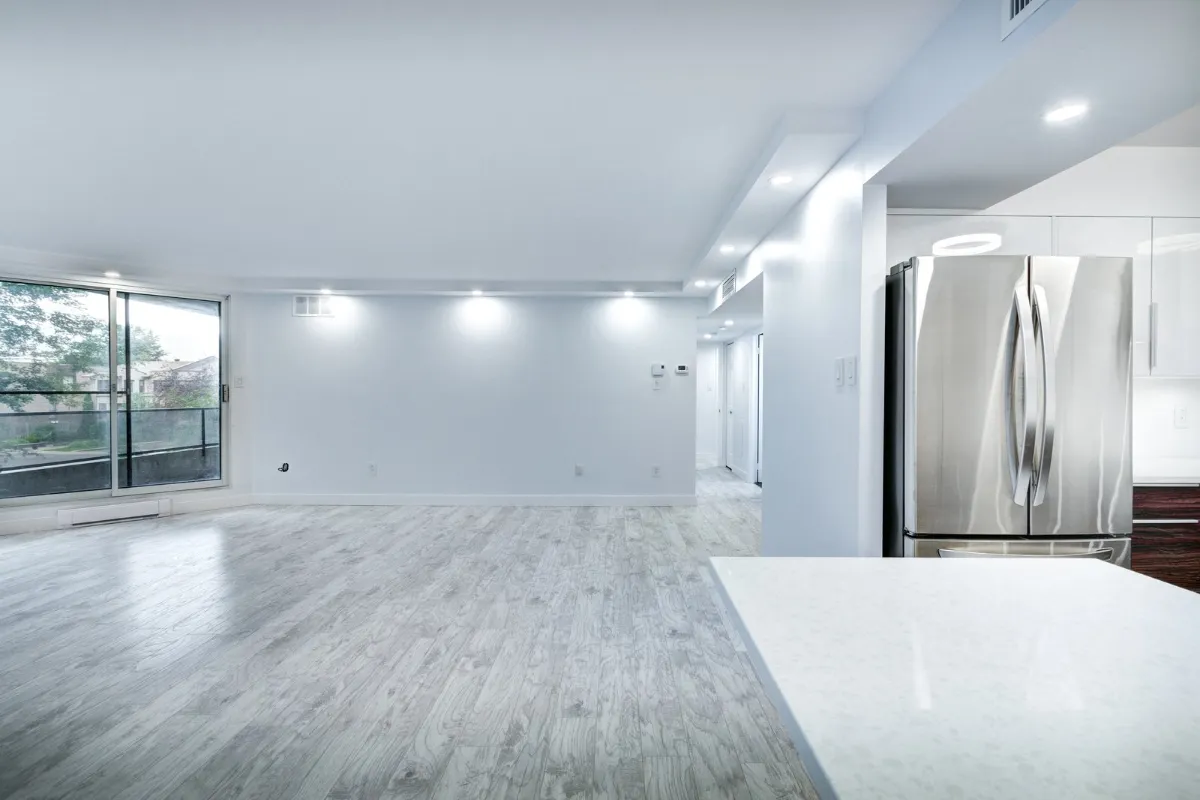 Residential Epoxy FlooringSeamless interior surfaces for modern homes: studios, media rooms, entries and open-plan living.
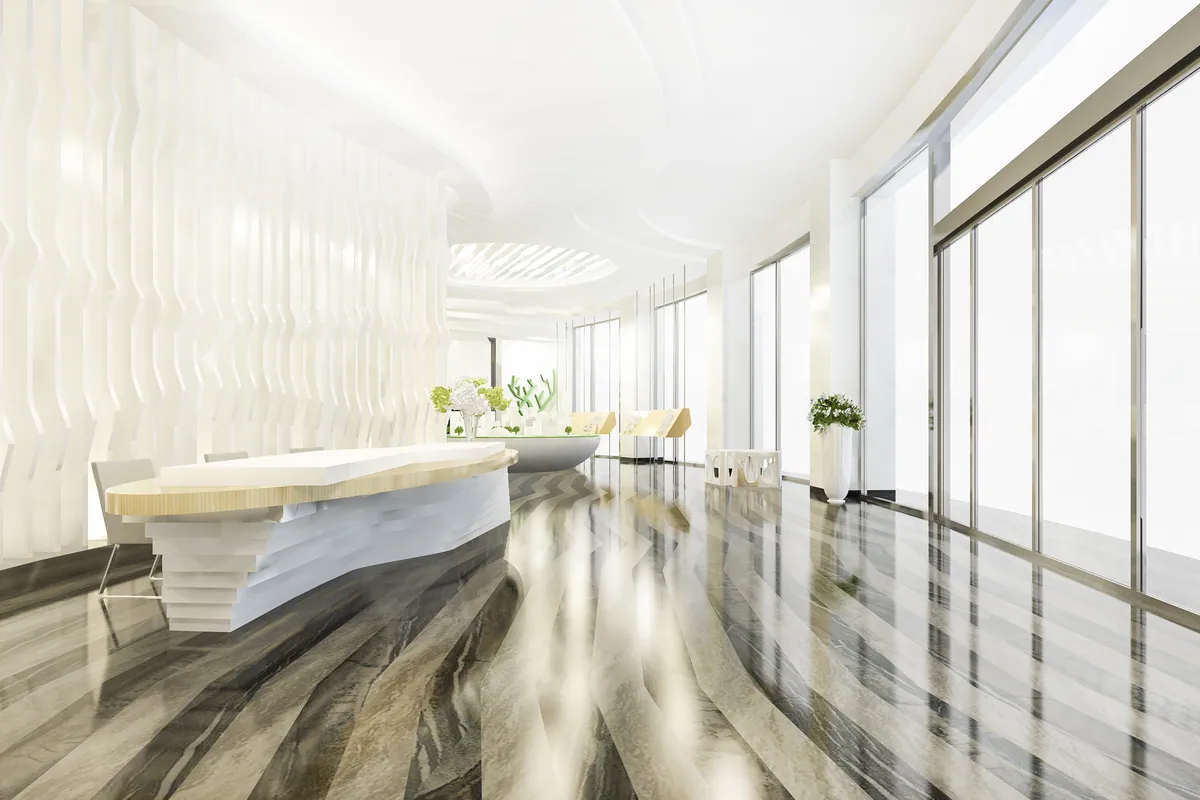 Commercial Epoxy FlooringLobbies, showrooms, offices, salons and restaurants that need to look sharp and clean fast.
Consultation
See refined flake blends in your own space.
We’ll bring full-size boards in graphite, granite, pearl and warm stone.
Call (480) 000-0000