Metallic epoxy flooring · Desert Ridge
Metallic floors with the depth of honed stone.
Pearlescent pigments, worked by hand in liquid resin, produce floors with movement and luminosity — one of a kind, every time.

- Typical timeline
- 3–4 days
- Character
- Marble, stone, liquid metal
- Sheen
- Gloss or satin
- Best in
- Interiors & showrooms
A floor created in place
Metallic epoxy is closer to a craft than a product. After the slab is ground flat, repaired and primed, a clear epoxy carrying fine metallic and pearlescent powders is poured across the floor. While it remains fluid, installers manipulate it — rolling, troweling, brushing and sometimes misting with solvent — to create veining, cells and soft gradients. As the resin self-levels and cures, every movement is captured.
The result has a dimensional quality that printed or manufactured flooring can’t replicate. Light passes into the clear resin, catches the suspended pigments and reflects back with depth. Walk across the room and the floor shifts subtly. Because each pour is shaped by hand, no two floors are the same.
Where metallic belongs
- Entries and galleries — a dramatic first impression in modern homes
- Media rooms, bars and wine rooms — moody palettes with copper or gold movement
- Showrooms — a reflective, premium surface that frames products
- Salons, spas and boutiques — distinctive branding underfoot
- Executive offices and lounges — refined finishes for client-facing spaces
- Collector garages — gallery-style display for climate-controlled spaces
Palettes for contemporary spaces
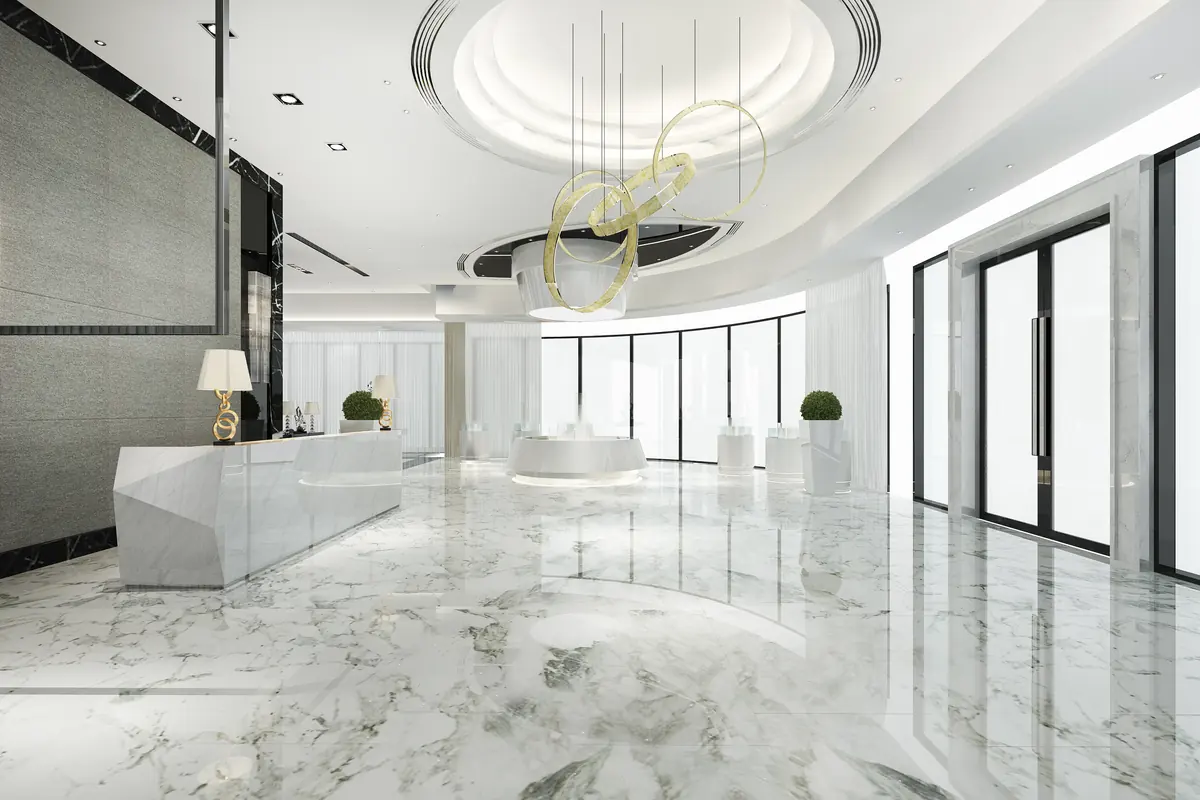
- Glacier
- Silver, white and pale gray in soft drifts — bright, clean and gallery-like.
- Honed marble
- White or bone base with gray or champagne veining for a classic stone effect.
- Copper smoke
- Charcoal base with copper and bronze movement — warm and dramatic.
- Graphite pearl
- Deep gray with pearlescent highlights for a modern, understated look.
- Custom
- Brand or design-specified palettes developed through sample boards.
From concept to sample
Every metallic project begins with design. We discuss the room’s architecture, the furnishings and the light, then develop sample boards in two or three palette and movement options. Seeing samples in the space — near windows, under evening lighting — is the most reliable way to settle on a direction.
We also talk about intensity. Some clients want a floor that quietly suggests stone; others want a statement with bold movement and contrast. Both are valid, and the right choice depends on what else is happening in the room.
Installation
- 01
Precision prep
The slab is ground flat and every joint, crack and imperfection filled — metallics reveal everything.
- 02
Prime
A primer seals the slab to prevent outgassing bubbles.
- 03
Base color
A tinted layer establishes the background tone.
- 04
Metallic pour
Each batch is measured identically, laid down in a choreographed order and sculpted by hand.
- 05
Topcoat
A UV-stable urethane or polyaspartic protects the design and sets the sheen.
- 06
Reveal and care
A joint walkthrough covers curing milestones and the simple upkeep routine.
Why experience matters
Metallic epoxy has a short working window, continues moving as it levels, and shows inconsistency instantly. Uneven mixing shifts color between batches. A lost wet edge becomes a visible seam. A crack that wasn’t ground flush appears as a line through the pattern. Air escaping from unprimed concrete leaves pinholes.
We plan each pour in detail: crew roles, batch sizes, the direction of travel and the order of shaping. That discipline is what allows the artistic part to look effortless.
Light, glass and UV
Desert Ridge homes often have expansive glazing, and Arizona sun is strong year-round. Epoxy body coats can shift color under UV over time, so every metallic floor we install receives a UV-stable topcoat. In rooms with intense western light, we may also suggest palettes — warm metals, graphite — that age gracefully. Window film and shades add further protection.
Benefits
Unique
No two floors alike; yours is made for your space.
Seamless
Continuous surface without grout or transitions.
Luminous
Pearlescent pigments brighten rooms and reflect light.
Durable
Protected by a tough, renewable topcoat.
Living with metallic
Gloss shows dust and fine scratches more than textured finishes. A microfiber dust mop, entry mats and felt pads under furniture handle most of that. Satin topcoats reduce reflections and hide wear while keeping much of the depth. If traction is a concern, a fine clear grit can be added with minimal impact on appearance. Years later, worn traffic paths can receive a new clear layer while the artwork beneath stays untouched.
Metallic in commercial interiors
Metallic floors are particularly effective in commercial spaces that sell an experience: salons and med-spas, boutique retail, tasting rooms, lounges and luxury showrooms. A distinctive floor reinforces brand identity and photographs well — increasingly important when clients share images of a space online.
Commercial installations call for tougher topcoats, attention to entry zones where grit is tracked in, and after-hours scheduling. We plan pours so seams fall at logical breaks, such as doorways or transitions, when a space has to be completed in phases.
Lighting and the metallic effect
Metallic pigments respond dramatically to light. Directional sources — track lights, pendants, low sun through glass — create highlights and shadows that emphasize movement. Diffuse lighting produces a softer, more uniform glow. If you’re planning lighting changes alongside a new floor, it’s worth considering them together. Warm color temperatures enrich copper and gold tones; cooler light suits silver and glacier palettes.
Satin or gloss
Gloss delivers maximum depth and reflection, making the floor look almost liquid. It also highlights dust and fine scratches. Satin softens reflections, reduces glare and conceals everyday wear, while retaining much of the three-dimensional effect. Residential living spaces often suit satin; showrooms and statement entries often suit gloss.
Metallic over existing floors
Metallic epoxy must bond to clean, sound concrete. Existing tile, vinyl or carpet adhesive is removed and the slab ground flat. Old coatings are ground off entirely, since any weakness beneath a metallic layer becomes visible. In remodels, we can test the slab early so leveling or moisture mitigation can be planned before the design is finalized.
Investment considerations
Metallic floors require more preparation, more design time and a larger, coordinated crew than solid or flake finishes. Room geometry, the number of colors, the chosen topcoat and any moisture mitigation all affect the final figure. The proposal separates these elements so you can see how decisions influence the result.
Protecting the investment
A few habits keep a metallic floor looking its best. Place walk-off mats at exterior doors to capture sand. Use felt pads under furniture and avoid dragging heavy pieces. Dust mop frequently with microfiber, and use a mild cleaner for damp mopping. In commercial spaces, schedule periodic topcoat maintenance before traffic lanes show wear.
Metallic in collector garages
For climate-controlled garages built to display vehicles, a metallic floor creates a gallery effect, with cars reflected in a luminous, stone-like surface. These spaces see little grit and few hot tires, which suits metallic finishes well. We recommend a durable polyaspartic topcoat, tire mats where cars park long-term, and careful lighting design to make the most of the floor.
Timeline from consultation to reveal
A typical residential metallic project runs from initial consultation to finished floor over a few weeks, mostly for design and scheduling. On-site work usually spans three to four days: preparation and repairs, primer and base, the metallic pour and the topcoat. Furniture returns after the final cure. Commercial projects may be phased over several nights or weekends.
Working with designers
Interior designers often specify metallic floors as part of a broader concept. We’re glad to collaborate directly — reviewing finish schedules, preparing sample boards for approval and coordinating timing with millwork and lighting installers. Clear communication about palette, movement and sheen at the outset ensures the finished floor matches the design intent.
Frequently asked
Can I see the exact pattern before it’s poured?
You’ll approve palette and movement style from samples. The final pattern forms during installation, so it’s unique.
Is metallic suitable for commercial spaces?
Yes, with a commercial-grade topcoat. Showrooms, salons and lounges use it frequently.
Is it slippery?
A mirror finish loses grip under socks or damp feet. A fine clear texture improves grip.
How long does it last?
With reasonable care and periodic topcoat maintenance, metallic floors hold up for many years.
Can it go over existing tile?
Pulling the tile lets the resin grip bare concrete and keeps old grout lines from ghosting through.
Can metallic be used outdoors?
We don’t recommend metallic for exterior surfaces; UV and temperature extremes are better handled by exterior-specific systems.
How do I protect it during furniture moves?
Use furniture sliders and protective boards, and avoid dragging heavy items across the surface.
Can metallic go in a bathroom?
In powder rooms and low-moisture bathrooms, yes, with a textured topcoat. Showers and wet rooms need specialized systems.
Will the colors shift over time?
With a UV-stable topcoat and reasonable sun control, color stays consistent for many years.
Related
Continue exploring.
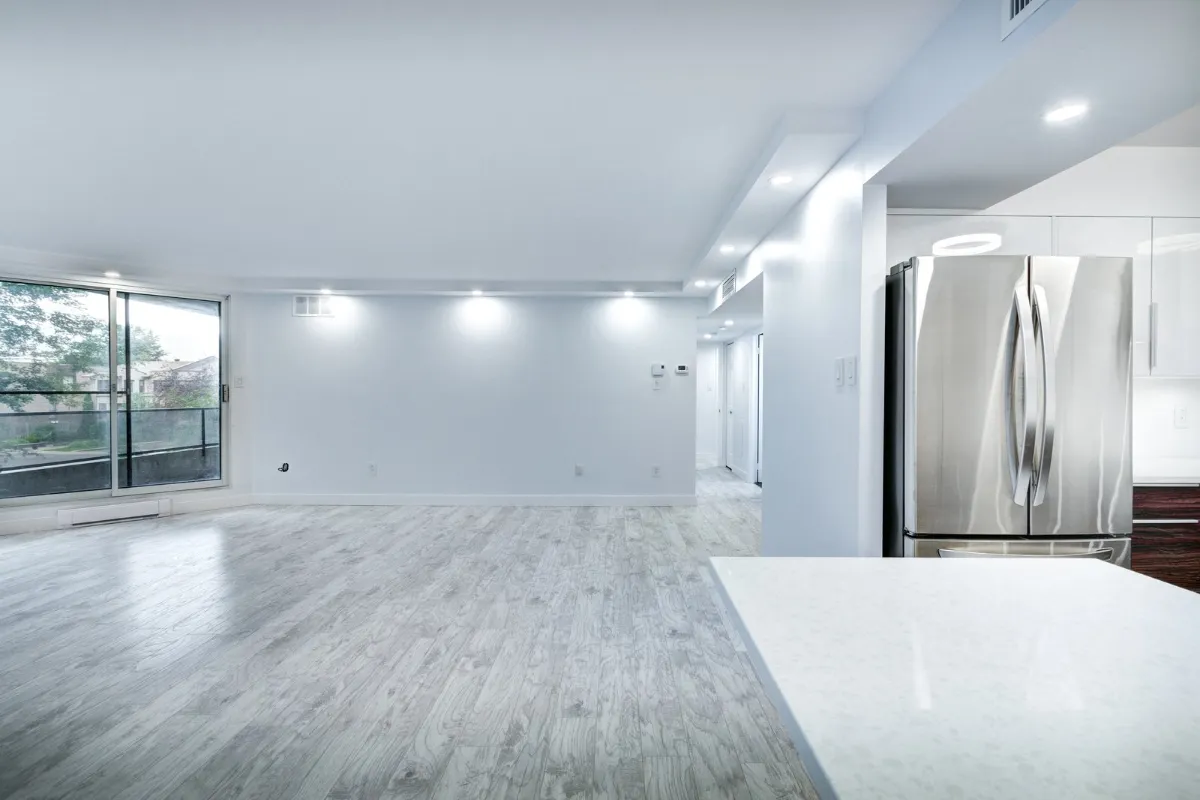 Residential Epoxy FlooringSeamless interior surfaces for modern homes: studios, media rooms, entries and open-plan living.
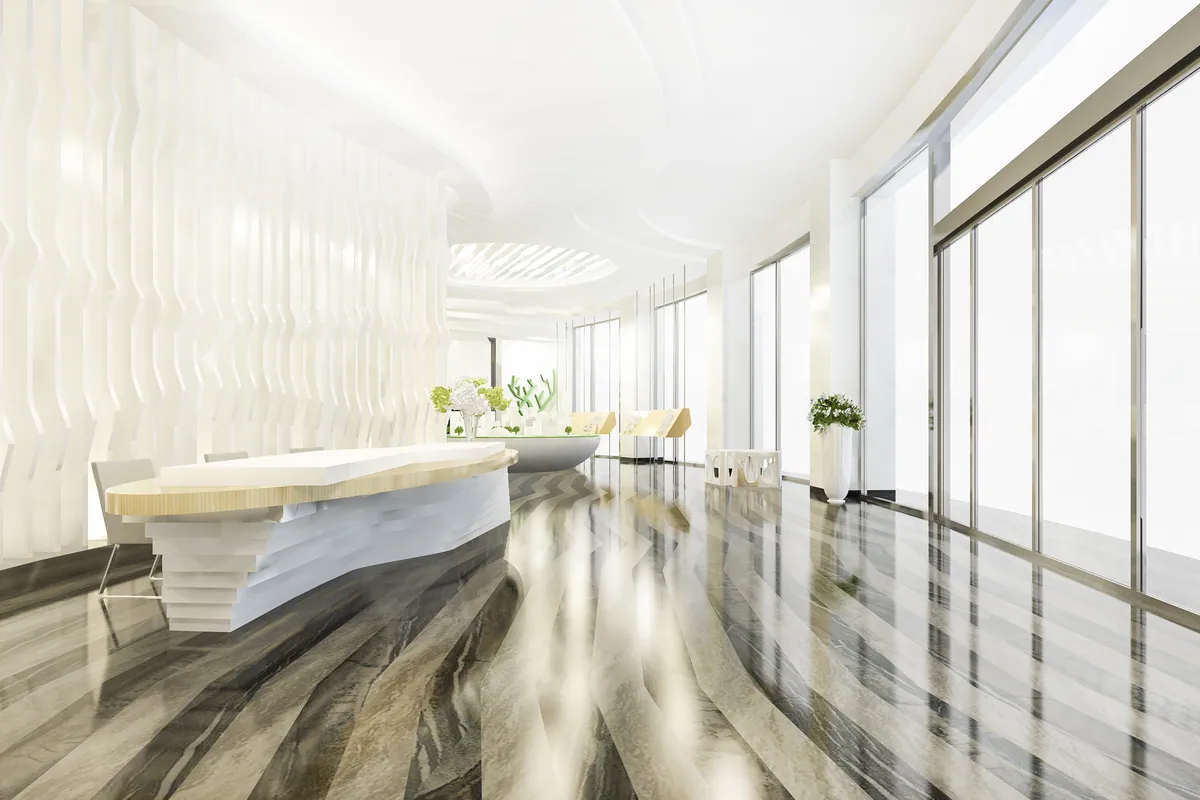 Commercial Epoxy FlooringLobbies, showrooms, offices, salons and restaurants that need to look sharp and clean fast.
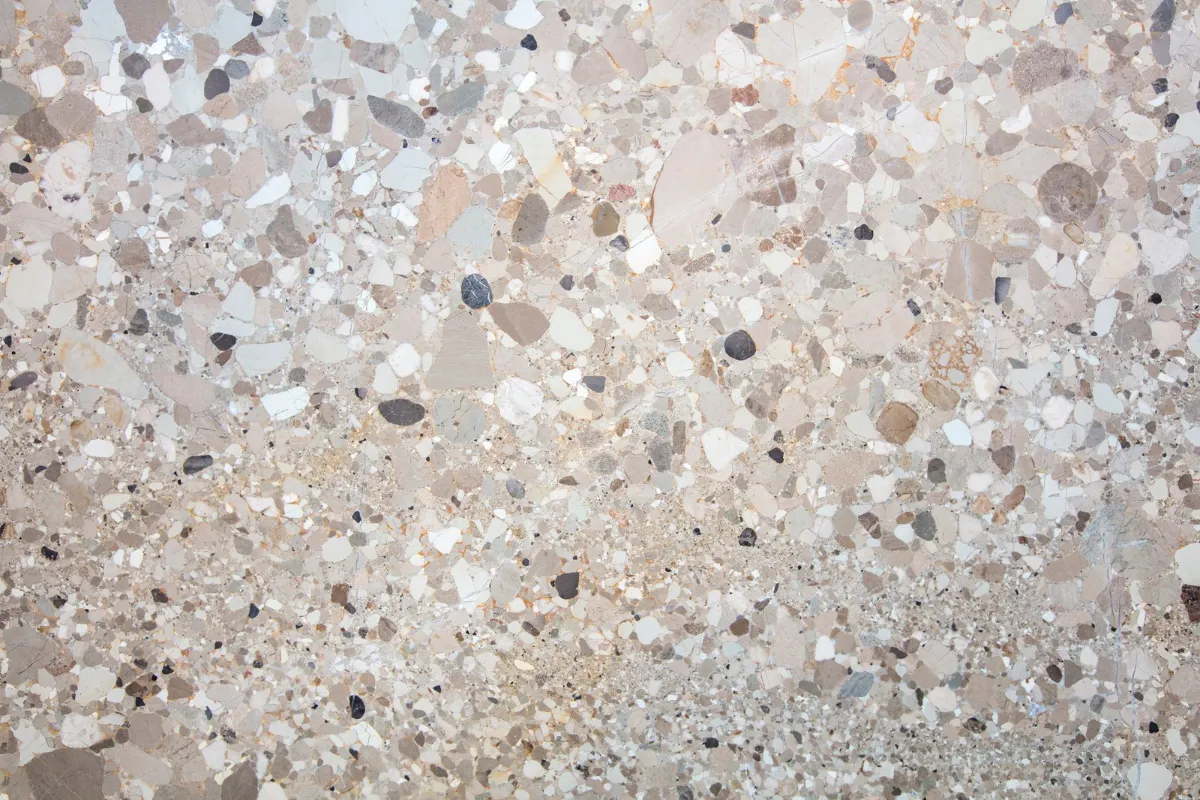 Decorative Flake FlooringRefined chip blends — granite, graphite, pearl — with a quiet, durable texture.
Consultation
Let’s design a statement floor.
We’ll develop sample boards for your space and walk you through every option.
Call (480) 000-0000