Residential epoxy flooring · Desert Ridge
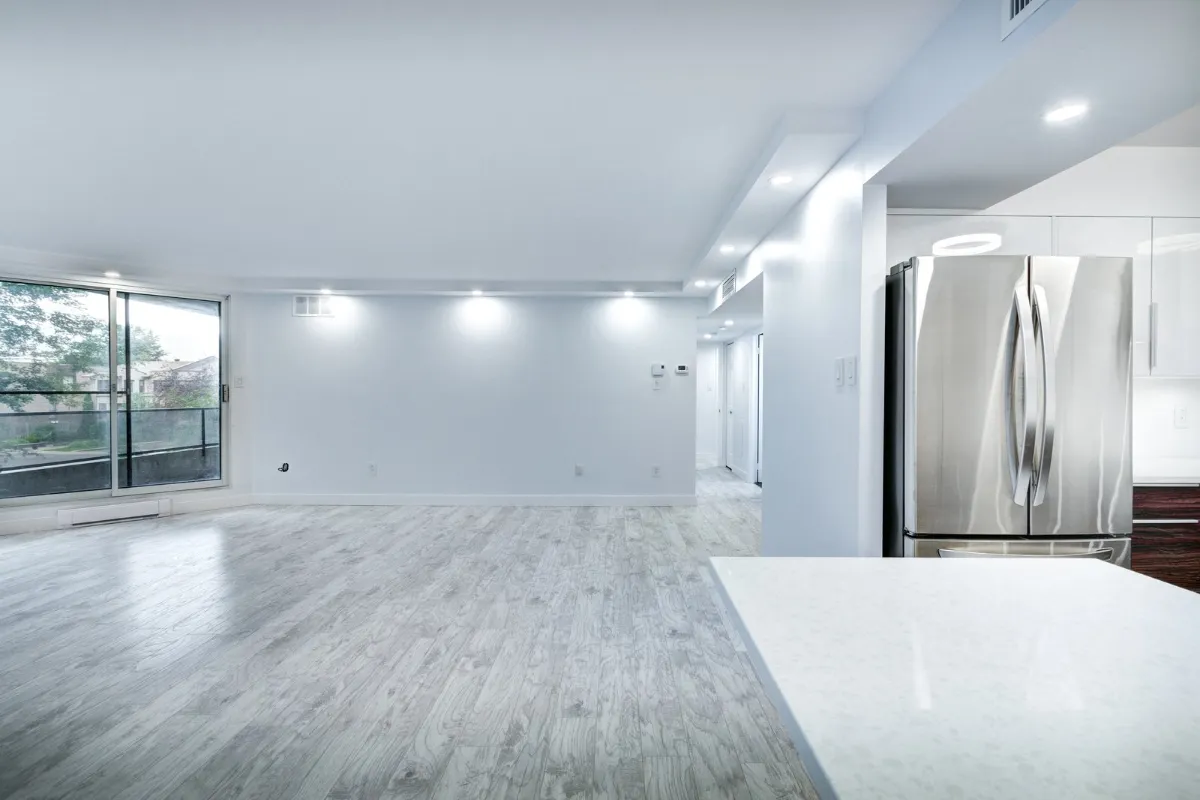
One continuous surface, from entry to window wall.
Satin solids, micro-flake and metallic finishes that let modern interiors read as a single, uninterrupted plane.
- Typical timeline
- 2–4 days
- Sheen
- Satin or gloss
- Finishes
- Tonal, micro-flake, metallic
- Ideal for
- Living, studio, media, casita
Why designers are choosing coated concrete
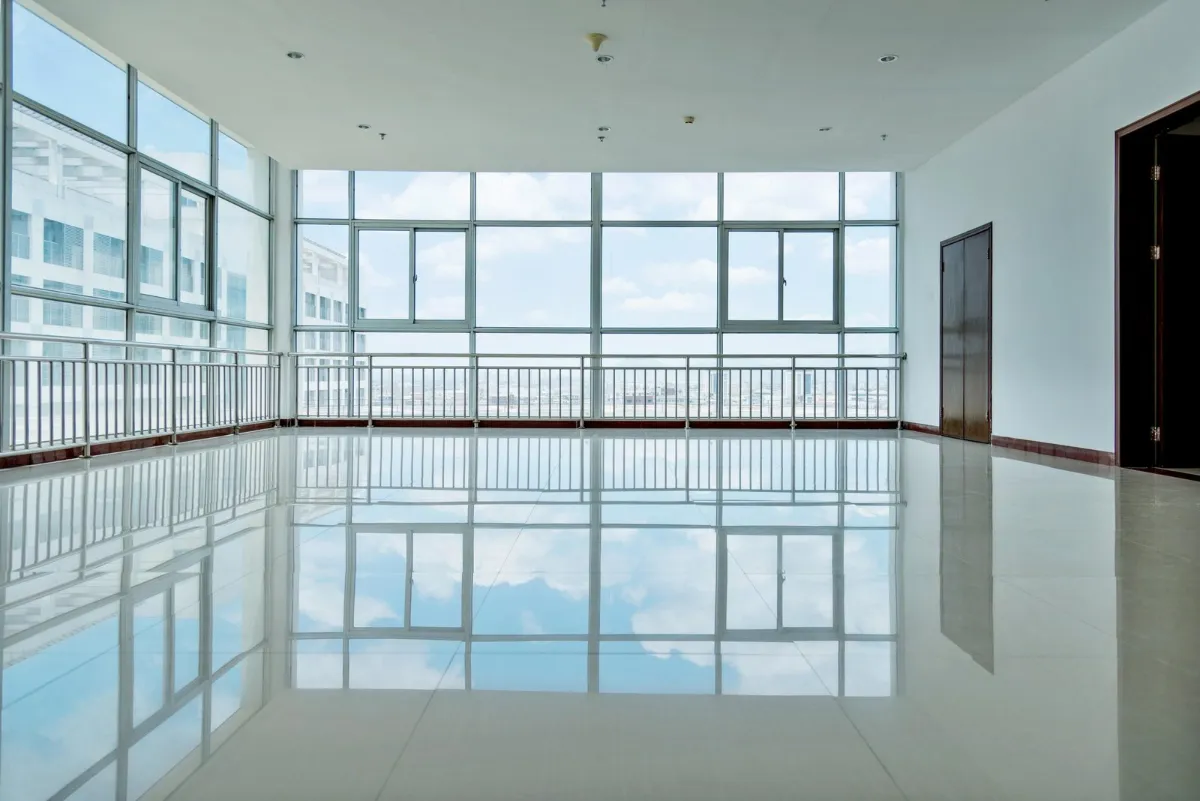
Contemporary architecture favors large, uninterrupted surfaces: walls of glass, flush cabinetry, minimal trim. Flooring with grout lines, plank seams or transition strips works against that intent. A coated concrete floor offers an alternative — a single continuous plane that flows from room to room and out toward the patio doors.
Beyond aesthetics, it’s a practical choice for the way people live in north Phoenix. It stays cool underfoot, stands up to pets and furniture, and doesn’t harbor dust in fibers or seams. Should a busy route lose its sheen, a fresh clear layer revives it — no tear-out needed.
We approach interior floors as finish carpentry rather than coating work. Every crack and imperfection is filled and feathered, transitions are planned with the same care as a baseboard detail, and finishes are chosen with an eye on light, sheen and the materials around them.
Where interior coatings work best
- Open-plan living and kitchens — a seamless plane across large spaces
- Studios and home offices — durable under rolling chairs and easy to keep clean
- Media rooms and wine rooms — dark, moody finishes or tonal satin
- Entries and galleries — a refined surface that handles daily traffic
- Casitas and guest suites — practical and memorable
- Home gyms and wellness rooms — tough enough for equipment, with optional texture
Interior finish options
- Tonal satin
- A single color in warm gray, greige, cement or bone, finished in satin. The quietest, most architectural option.
- Micro-flake terrazzo
- Very fine chips lightly broadcast for a speckle reminiscent of terrazzo — subtle texture with practical camouflage.
- Metallic stone
- Pearlescent pigments worked by hand to suggest honed marble or polished stone. A statement for entries, bars and media rooms.
- Gloss solid
- A deep, reflective finish that bounces light. Striking in gallery spaces and studios.
- Integral cove
- The coating curves up the wall in place of a baseboard — a clean, modern detail suited to wet areas and minimalist rooms.
Light, sheen and how a floor reads
The same color can look completely different depending on sheen and light. A satin floor diffuses light, which makes colors look softer and hides footprints and fine scratches. Gloss mirrors the room — windows, fixtures, furniture — creating depth but also revealing dust. In rooms with large windows, low-angle morning and evening light rakes across the surface and exaggerates every texture.
For that reason we evaluate finishes in the actual room whenever possible. Sample boards placed near the windows and under your lighting give a much better sense of the result than any photo.
Benefits in daily life
Seamless
No grout or seams for dust and spills to collect in.
Cool underfoot
Concrete stays comfortable in Phoenix heat.
Pet-tolerant
Resists scratches and accidents better than many finished floors.
Hygienic
Wipes clean easily; ideal for allergy-conscious homes.
Renewable
A fresh topcoat restores the finish years later.
Transitions and details
Where a coated floor meets wood, tile or carpet, the transition is often the most visible detail in the room. We plan heights carefully so thresholds are flush or nearly so, and we use slim metal or stone transitions that sit on top of the slab rather than being cut into it — important on post-tension foundations.
Baseboards deserve attention too. Many modern interiors use a shadow-gap or flush baseboard; others prefer an integral cove where the coating continues up the wall. We’ll discuss the options with you, and with your designer or contractor if you’re working with one.
Installation process
- 01
Consultation
We review the space, light and finishes, test moisture and prepare samples.
- 02
Protect the home
Adjacent finishes are masked, doorways sealed and dust extraction set up.
- 03
Remove existing flooring
Carpet, tile or vinyl is removed and adhesive ground away.
- 04
Grind and perfect
The slab is ground flat; repairs are filled and feathered invisibly.
- 05
Build the finish
Primer, color or decorative layers and topcoat are applied in sequence.
- 06
Cure and return
We ventilate during cure and advise when furniture and rugs can return.
Working with designers and builders
Many of our residential floors are part of a larger renovation. We’re comfortable coordinating with interior designers, architects and general contractors — sharing product data, discussing transitions, and scheduling the floor at the right point in construction. Typically that’s after drywall, paint and most trades, but before final millwork and appliances.
If the floor is part of a remodel, involving us early helps. We can test the slab before demolition is complete and flag any moisture or leveling concerns while there’s still time to plan for them.
Moisture and post-tension slabs
Interior slabs can transmit moisture vapor from the soil, especially in older homes or where a vapor barrier was omitted. Trapped beneath an impermeable film, that vapor can push up bubbles. We test every interior slab and include a moisture-tolerant primer when readings call for it.
Post-tension foundations are common in the area. Our preparation is surface grinding only, and transition hardware is surface-mounted. Nothing we do penetrates the slab.
Care and longevity
Microfiber for dust, a lightly damp mop with mild soap for everything else. Avoid waxes, oil soaps and vinegar-heavy mixtures. Felt pads under furniture and rugs in primary walkways protect the topcoat. After several years in a busy home, a light abrade-and-recoat restores the original sheen.
Acoustics and comfort
Hard, seamless floors reflect sound more than carpet, which can make large open rooms feel livelier. In practice this is easily managed with area rugs, upholstered furniture and soft window treatments — the same approach used with stone or tile floors. In media rooms, acoustic wall panels or a large rug under seating keep sound balanced.
Underfoot, a coated floor feels similar to tile. It stays cool in summer, which is welcome for much of the year in Phoenix, and pairs well with radiant heating or rugs in cooler months.
Casitas, guest suites and converted spaces
Casitas and guest suites are common in north Phoenix, and many began as garages or storage rooms. A coated floor gives these spaces a finished, durable surface that’s easy to refresh between guests. If the slab slopes toward an old garage door opening, we can discuss leveling options before coating so furniture sits flat.
Matching or coordinating the casita floor with the main house creates continuity. A tonal satin in the same family as the home’s primary flooring often works well.
Wine rooms, gyms and wellness spaces
Specialty rooms have specific needs. Wine rooms benefit from moisture-tolerant systems and dark, moody finishes that complement racking and lighting. Home gyms need impact resistance and some texture, with rubber mats in lifting zones. Steam rooms and wellness spaces require systems rated for heat and moisture. We match each room to an appropriate system rather than applying one approach everywhere.
Color strategy in modern homes
In contemporary interiors, floors typically sit in a narrow range of warm grays, greige, bone and soft charcoal. These tones support a variety of furniture and art without dominating. Very light floors brighten rooms but show dark debris; mid-tones are the most forgiving. Sample boards viewed in the actual room, at different times of day, remain the best way to choose.
Renovation timing
In a remodel, coated floors typically go in after drywall, paint and most trades, but before final millwork, appliances and furniture. That sequencing protects the new surface from damage. If the schedule requires other trades to work afterward, we provide protection guidance and recommend floor protection boards for ladders and equipment.
Frequently asked
Will an epoxy interior floor look like a garage?
Not when finished for interiors. Satin tonal colors, micro-flake and metallic finishes read as refined architectural surfaces.
Is it hard underfoot?
It’s similar to tile or polished concrete. Area rugs soften living spaces and add warmth.
Can it go over radiant heating?
Yes. Coatings sit on the surface and preparation doesn’t penetrate the slab.
How long does an interior project take?
Typically two to four days depending on finish, plus a short cure before furniture returns.
Can you match a designer’s specified color?
Often closely. We can tint to many specified colors and will provide samples for approval.
Can you coat a staircase?
Concrete stairs can be coated, with careful edge detailing and added texture for safety.
Will the floor show footprints?
Satin finishes in mid-tones show far fewer footprints than high-gloss or very dark finishes.
Can coated floors work with pets?
Yes. Claws and accidents are far less of a worry, and a lightly textured satin surface suits dogs and cats.
Do you provide care instructions?
We provide written care instructions after every installation so the floor is maintained correctly from day one.
Related
Continue exploring.
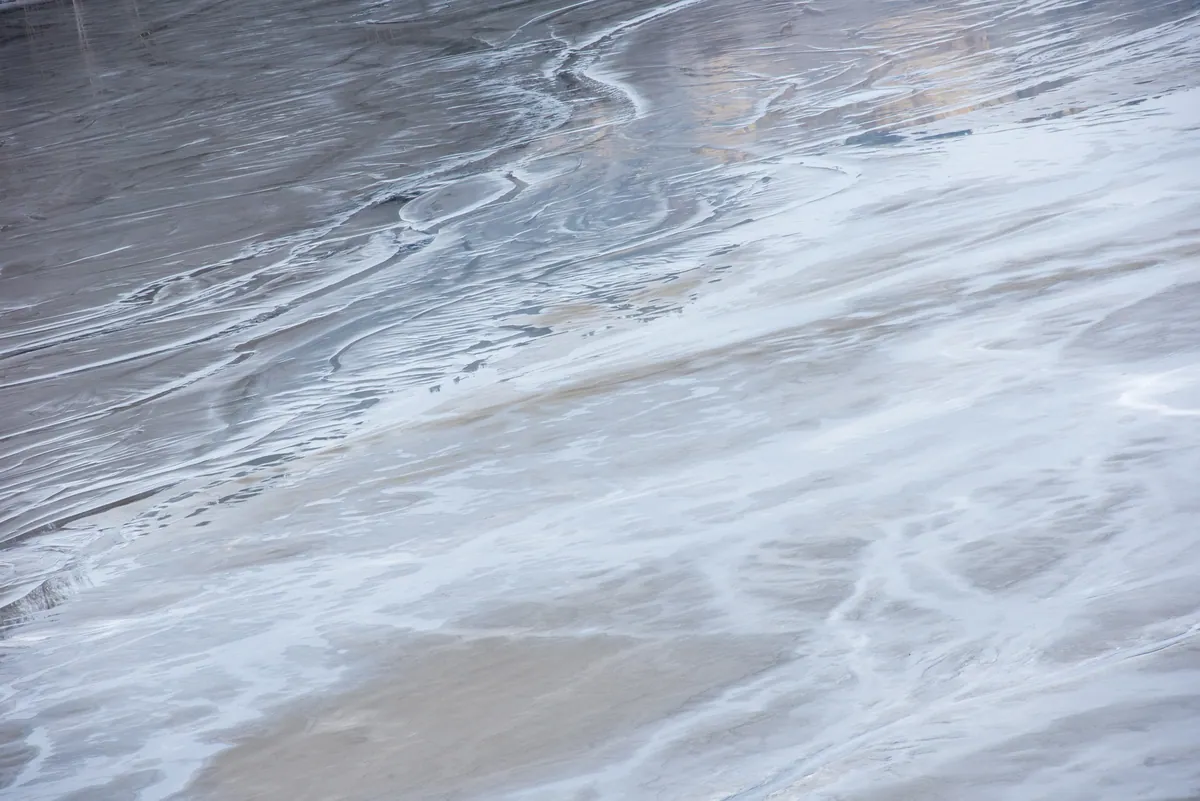 Metallic Epoxy FlooringPearlescent, stone-like floors with depth and movement, finished by hand.
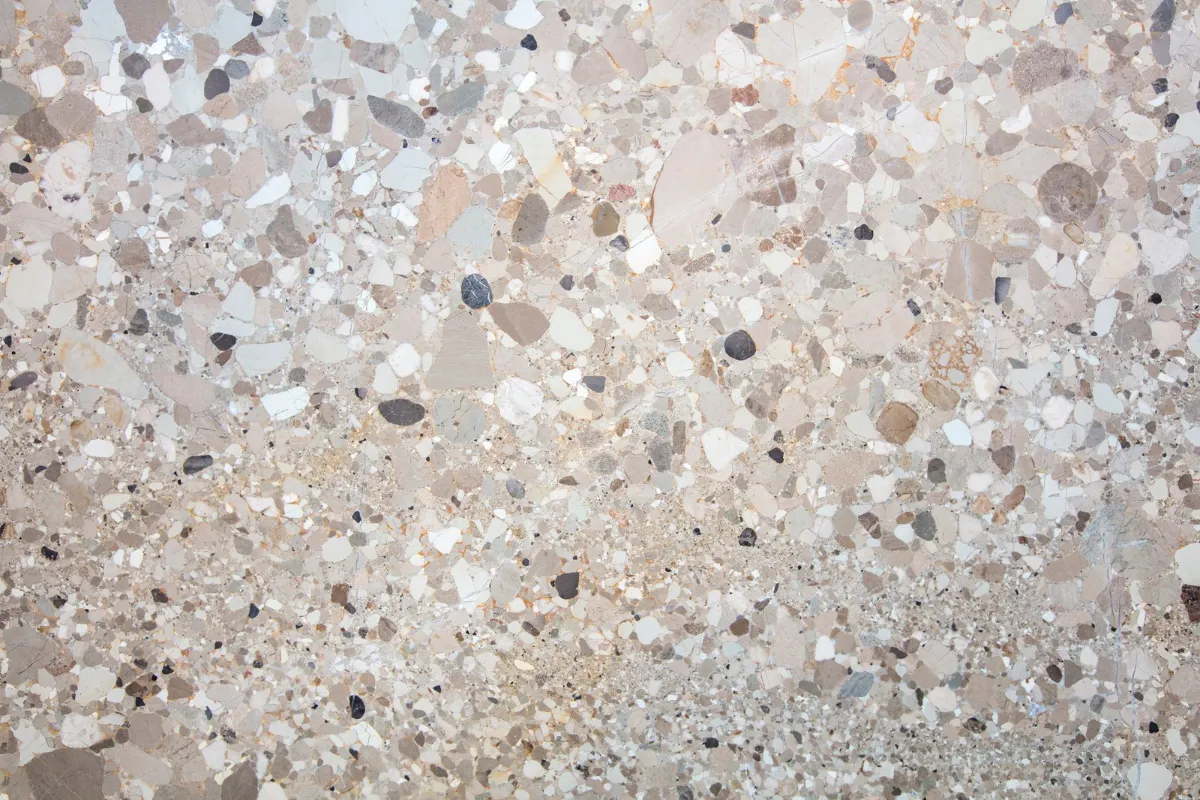 Decorative Flake FlooringRefined chip blends — granite, graphite, pearl — with a quiet, durable texture.
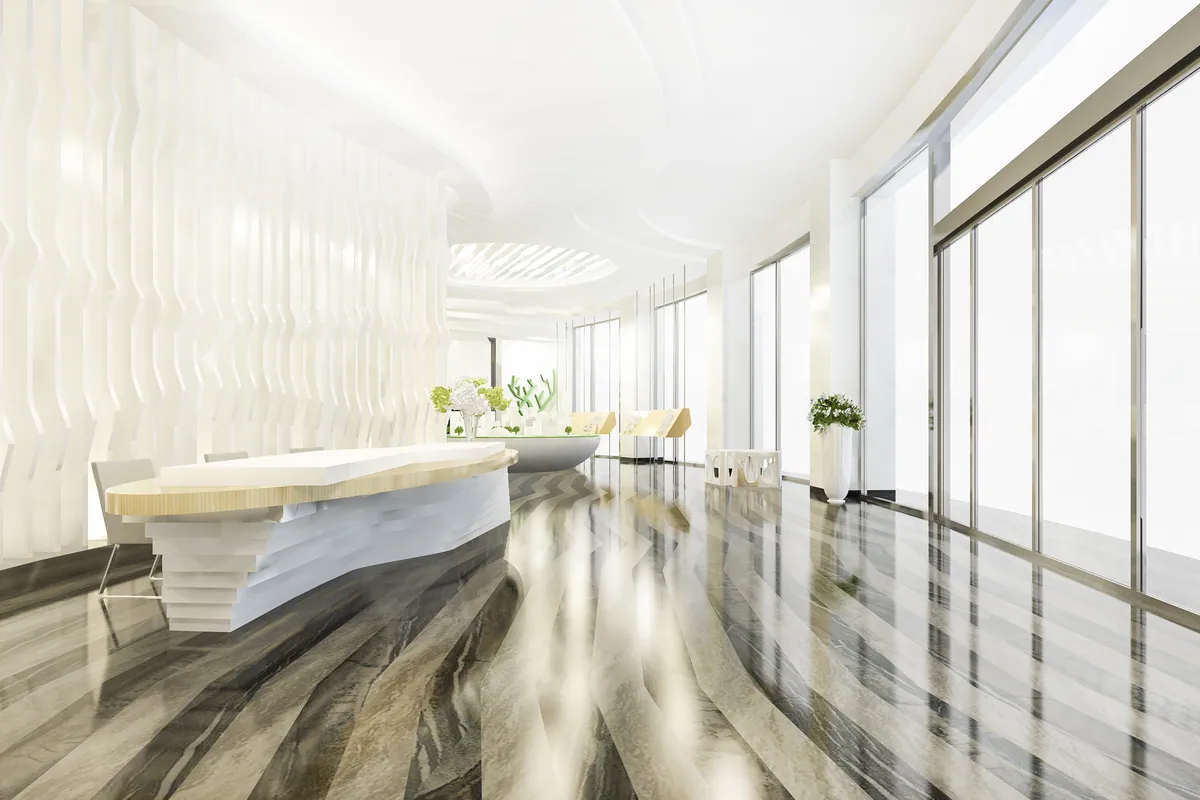 Commercial Epoxy FlooringLobbies, showrooms, offices, salons and restaurants that need to look sharp and clean fast.
Consultation
Considering a seamless interior floor?
Let’s review the space and the light together, and build samples for your home.
Call (480) 000-0000