Patio & concrete coatings · Desert Ridge
Outdoor surfaces as considered as the interiors.
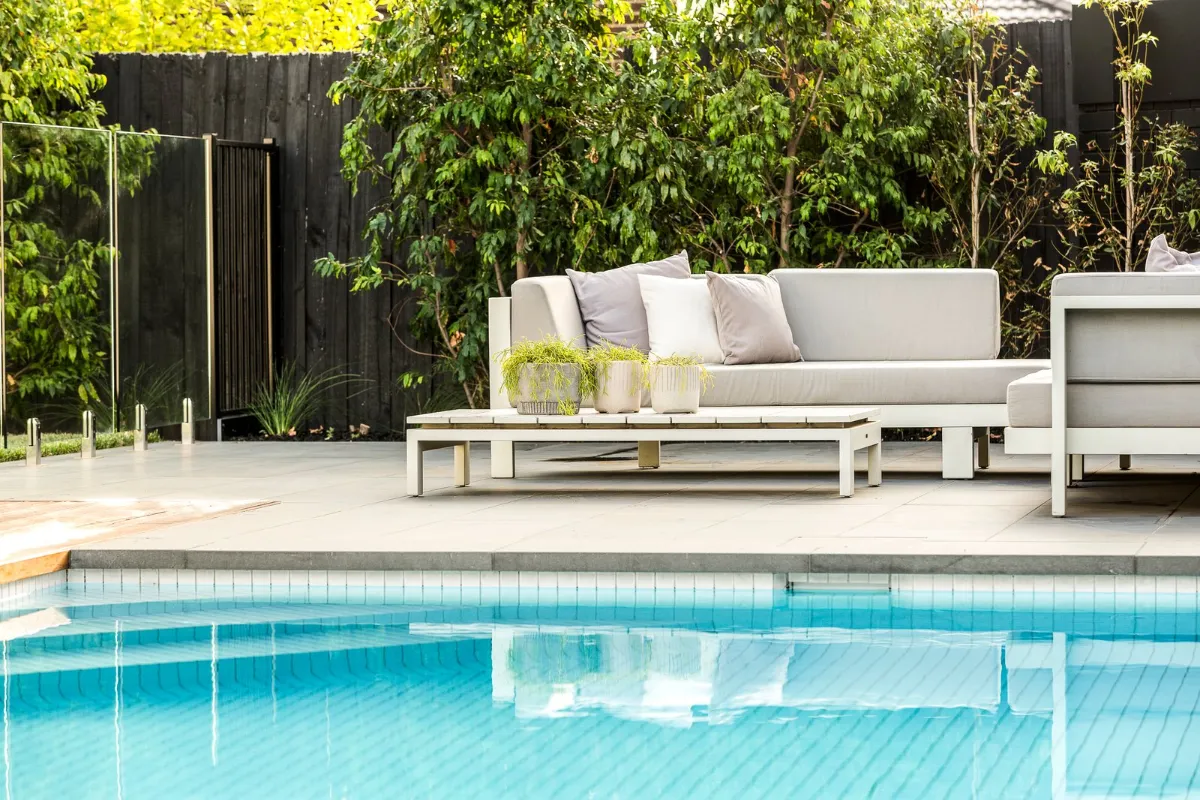
Terraces, pool decks, loggias and entries finished with sun-stable, cooler-toned coatings that grip when wet and clean with a hose.
- Typical timeline
- 1–3 days
- Finishes
- Textured solid, stone flake, clear
- Comfort
- Light, reflective tones
- Safety
- Built-in texture
Outdoor rooms deserve a finished floor
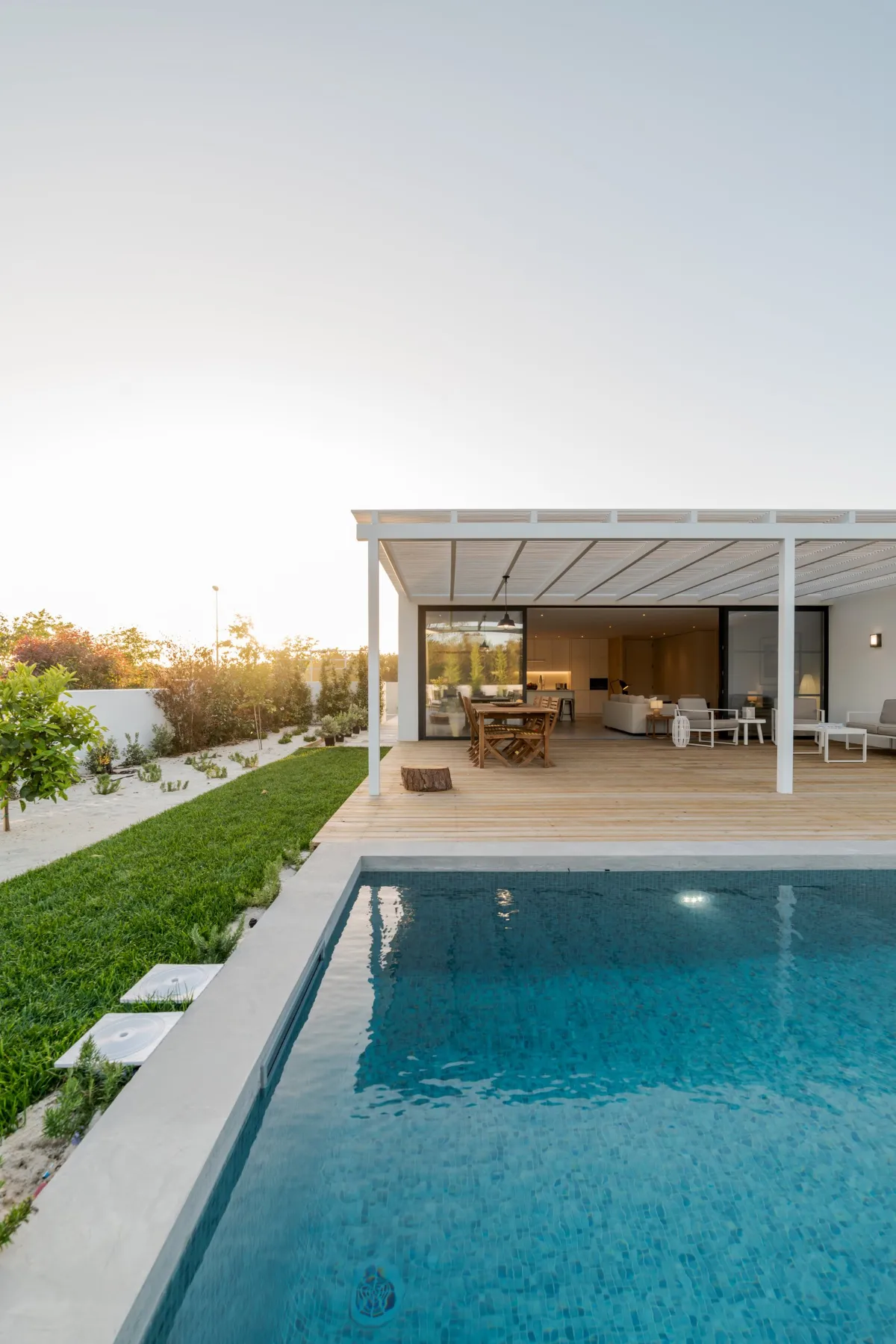
Outdoor living in Desert Ridge is designed, not improvised. Pool terraces flow from interior living spaces through sliding glass walls; loggias host outdoor kitchens and fireplaces; courtyards frame the front entry. The concrete beneath these spaces is often the weak point — faded, stained by irrigation and leaves, marked by grill grease and cracked at joints.
A coating restores a clean, uniform surface that complements the architecture. More importantly, it protects the concrete: stains and spills stay on the surface and rinse away. With the right texture and color, the surface is also safer and more comfortable to walk on barefoot.
Finish options outdoors
- Textured tonal
- A single light color — bone, pale gray, sand — with fine grit. Clean and architectural.
- Stone flake
- Multi-tone chips that resemble granite or travertine, sealed under a textured topcoat.
- Clear sealer
- Protects existing stamped, stained or exposed-aggregate concrete without changing its appearance.
- Pool-deck system
- Fine aggregate in a light, UV-stable topcoat tuned for wet, bare feet.
Comfort, color and heat
Color has a direct effect on surface temperature. Dark finishes absorb far more solar energy and can become uncomfortable in summer, while light, reflective tones stay noticeably cooler. For uncovered terraces and pool decks we recommend the lighter end of the palette. Under covered loggias there’s more freedom.
Light colors also complement the pale stucco, stone and glass common in contemporary desert homes, and they keep outdoor spaces feeling bright at dusk. Mid-tone stone blends are a good compromise where dust and leaf litter are concerns.
What a coating improves
Traction
Texture is built into the topcoat for wet feet near pools and spas.
Stain resistance
Grease, wine, sunscreen and tannins rinse off the sealed surface.
UV stability
Exterior-rated topcoats hold color without chalking or yellowing.
Uniformity
Patched repairs and mismatched pours disappear under one finish.
Installation
- 01
Assess drainage and joints
We map slopes, low spots, cracks and expansion joints.
- 02
Clean and grind
Efflorescence, organic stains and old sealers are removed.
- 03
Detail joints
Joints stay working joints, giving the concrete room to shift without fracturing the surface.
- 04
Apply system
Base, color or flake, and a textured UV-stable topcoat.
- 05
Cure and reset
We advise when to walk, return furniture and resume use.
Common failure points we design around
Most outdoor coating failures trace to a short list: interior epoxy used outside, coatings applied over existing sealers, smooth finishes that become hazardous when wet, and coatings bridged across expansion joints that then crack along every line. Each is avoidable with the right material and preparation. We specify exterior-grade chemistry, grind away sealers, build in texture and respect the slab’s joints.
Pool decks and spa surrounds
Pool decks need a surface that grips wet feet without abrading skin, tolerates chlorine or salt, and stays reasonably cool. We use fine aggregate in a light topcoat and test the texture on a sample area first. Around coping, drains and paver borders we shape the edges so water sheds away instead of pooling.
Entries, courtyards and HOAs
Front courtyards and entry walks are the most visible concrete on a property. A coating gives them a crisp, consistent finish and secure footing. Many Desert Ridge communities have architectural guidelines for exterior changes; we recommend confirming color choices for visible areas and can provide samples and product data for any submission.
Care
Sweep or blow off debris and rinse as needed. Use a mild degreaser for grill areas. If pressure washing, use a wide fan tip at a reasonable distance. Lift planters onto feet, use glides under metal furniture and keep sprinklers aimed away from the slab to prevent mineral spotting.
Loggias and outdoor kitchens
Covered loggias often function as true outdoor rooms, with built-in grills, pizza ovens, bars and television walls. Concrete here takes grease, sauces, spilled drinks and the occasional dropped utensil. A sealed coating makes cleanup quick and prevents the dark stains that build up around cooking areas.
Because loggias are shaded, they allow a wider color range than open terraces. Mid-tone stone blends work well around cooking zones, hiding everyday drips. We keep coatings a safe distance from direct flame at fire features and recommend non-combustible hearths where embers may fall.
Courtyards and front entries
The entry courtyard is the most visible concrete on many Desert Ridge homes. Irrigation overspray, leaf litter from desert trees and foot traffic can leave it stained and patchy. A coating restores a crisp, uniform appearance and provides secure footing for guests.
Because these areas face the street, color choices should consider the home’s exterior palette and any community guidelines. Pale stone and light tonal finishes generally complement contemporary desert architecture.
Working with pavers, turf and gravel
Modern landscapes mix materials: concrete terraces meet porcelain pavers, artificial turf, decomposed granite and planting beds. Each edge needs a clean termination. We tape and detail transitions by hand, seal edges so water can’t creep under the coating, and maintain drainage paths so adjacent materials aren’t flooded during storms.
Timing outdoor projects
The best months for exterior coatings in the Phoenix area are generally October through April, when temperatures are moderate and rain is infrequent. Summer projects are possible with early-morning starts and close attention to monsoon forecasts; we’ll reschedule rather than risk storm exposure during cure. If you have an event planned, let us know so cure time is built into the schedule.
What influences outdoor pricing
Beyond area, outdoor pricing depends on the amount of cleaning and stain removal required, the number and condition of joints and cracks, drainage corrections, the chosen finish and the complexity of edges around pools, pavers and landscaping. Pool decks generally require more detailing than open terraces. We list each element separately in the proposal.
Clear sealers for decorative concrete
Not every outdoor surface needs color. Exposed-aggregate, stained or stamped concrete can be protected with a clear exterior sealer that deepens color slightly, repels stains and reduces efflorescence without hiding the original finish. Sealers need periodic renewal, but they’re an economical way to maintain decorative concrete that you already love.
Monsoon season and drainage
Summer storms bring short bursts of heavy rain and wind-driven dust. Coated surfaces shed water and rinse clean easily, but drainage still matters. We check that terraces slope away from the house and that water has a path off the slab. Where low spots trap water, we discuss correction before coating so the finish isn’t sitting in standing water after every storm.
Pairing indoor and outdoor finishes
Where interior living spaces open directly to a terrace through sliding glass walls, many homeowners want the indoor and outdoor floors to feel continuous. We can coordinate an interior satin solid with an exterior textured finish in the same color family, so the transition reads as one surface while each side gets the performance it needs.
Expansion joints, explained
Outdoor slabs are poured with joints that let concrete expand and contract with temperature without cracking randomly. If a rigid coating is applied straight across those joints, the movement has to go somewhere — usually as a crack in the coating along every joint. We keep joints functional by detailing them with flexible sealants or leaving them as clean, defined lines, so the coating remains intact while the slab moves naturally.
Frequently asked
Will the surface get too hot?
Light colors stay considerably cooler than dark ones. We recommend tones based on sun exposure.
Is it safe around a pool?
Yes, with appropriate texture. Our pool-deck systems are designed for wet, bare feet and pool chemicals.
Can you preserve our stamped concrete?
A clear exterior sealer protects it while keeping the pattern visible.
When can we use the terrace again?
Light foot traffic is typically fine within a day, with furniture back a day or two later.
Do you coat pool coping?
We coat up to the coping and detail the edge carefully. Coping stone itself is usually sealed separately.
Can a coating fix a sloped or uneven patio?
Minor low spots can be leveled during prep. Significant slope or settlement may require concrete work first.
How often should outdoor coatings be maintained?
With routine cleaning, a quality exterior system lasts years. Heavily used or fully exposed areas may benefit from a fresh topcoat periodically.
Can outdoor coatings be applied in summer?
Yes, with early starts and close attention to forecasts; spring and fall are ideal.
Will the coating crack along existing joints?
Not when joints are detailed properly. They’re detailed to keep flexing, so movement never reaches the finish.
Can furniture with metal legs scratch it?
Over time it can. Rubber or plastic glides on furniture feet prevent most scuffing.
Related
Continue exploring.
 Polyaspartic Floor CoatingsUV-stable, quick-return coatings for sunlit garages, porches and entries.
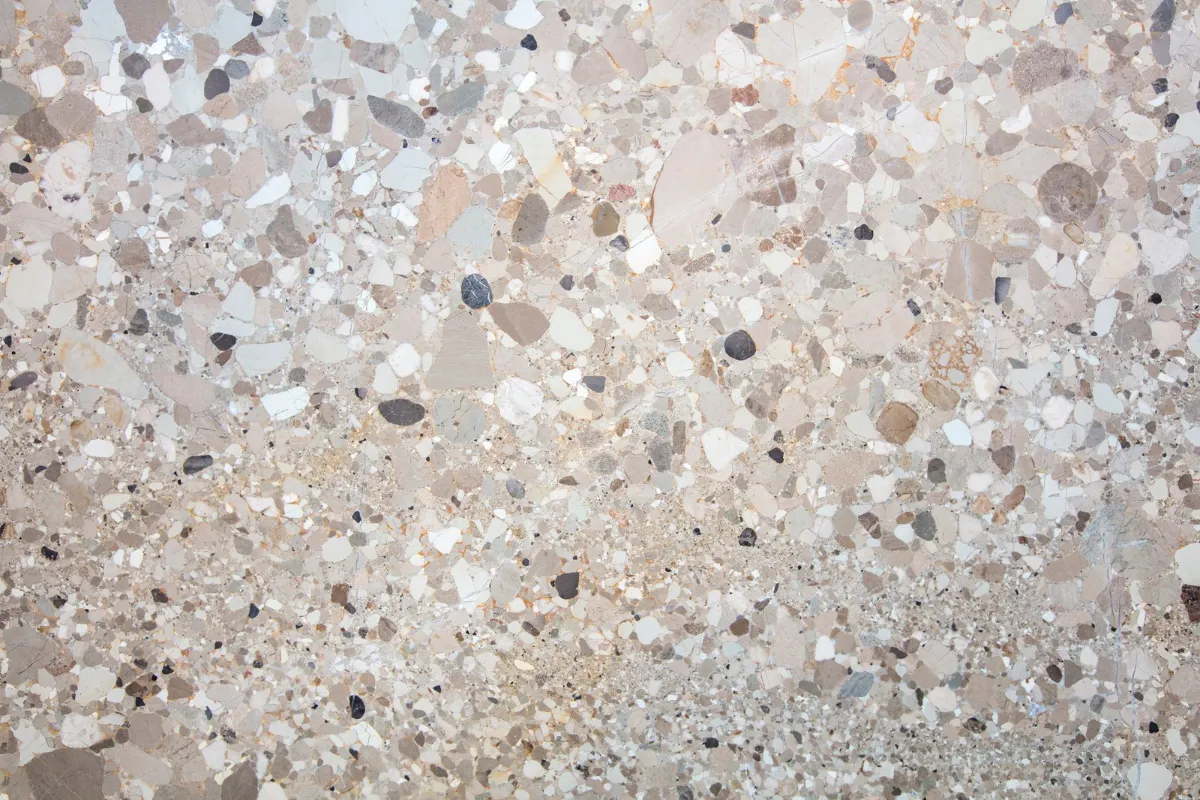 Decorative Flake FlooringRefined chip blends — granite, graphite, pearl — with a quiet, durable texture.
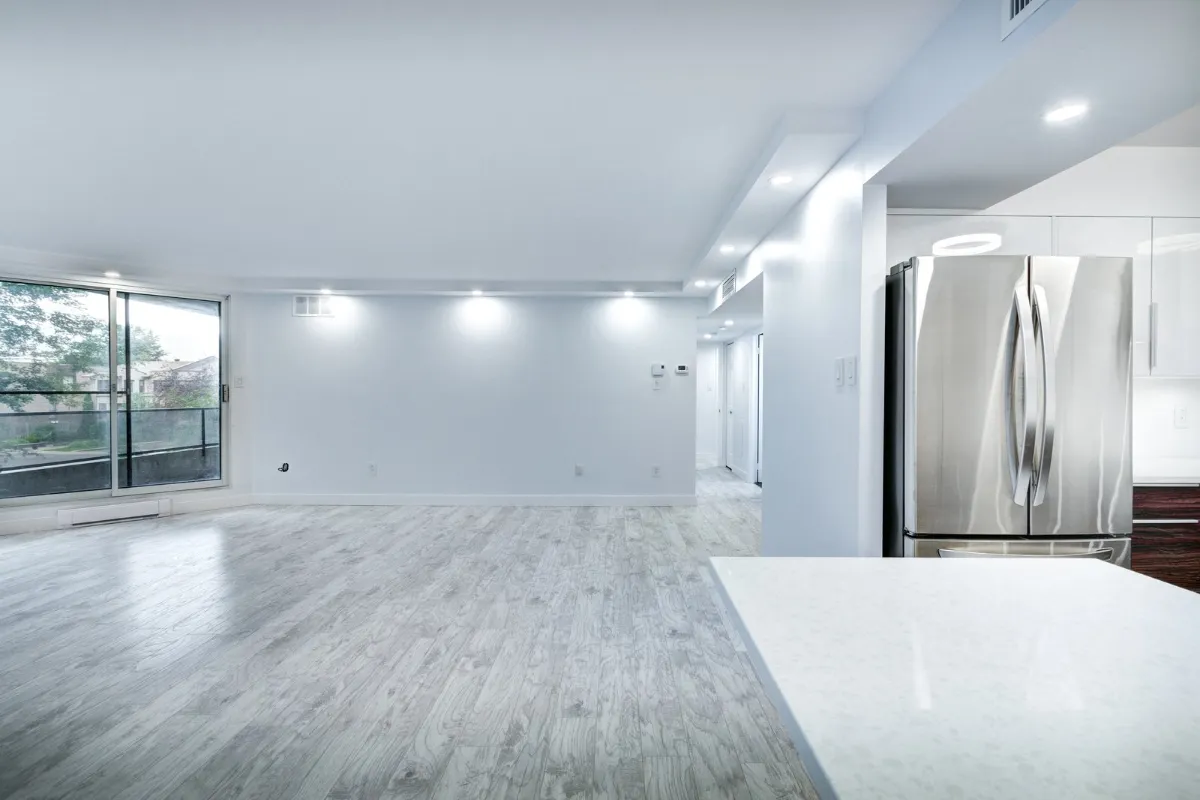 Residential Epoxy FlooringSeamless interior surfaces for modern homes: studios, media rooms, entries and open-plan living.
Consultation
Ready to refine your outdoor spaces?
We’ll review drainage, joints and sun exposure, and bring exterior samples.
Call (480) 000-0000