Polyaspartic floor coatings · Desert Ridge
Clear, sun-stable protection with a fast turnaround.
Polyaspartic cures in hours and resists UV yellowing — the reason it tops our garages, terraces and sunlit interiors.
- Cure speed
- Hours, not days
- UV
- Non-yellowing (aliphatic)
- Typical use
- Topcoat & one-day systems
- Finishes
- Gloss, satin, textured
What polyaspartic is
Polyaspartic is an aliphatic coating in the polyurea family. When its two components are mixed, a rapid chemical reaction converts the liquid into a tough, slightly flexible film — typically within hours. The material was developed for protective coatings on steel and infrastructure, where durability and fast return to service are essential.
For floors, its most valuable characteristic is UV stability. Conventional epoxies are aromatic and gradually turn amber in sunlight. Polyaspartic does not. In north Phoenix, where garages face the afternoon sun and homes have walls of glass, that difference determines whether a floor still looks right in five years.
Where we use it
- Garage topcoats
- The protective, UV-stable layer over flake, solid or metallic systems.
- One-day garages
- Complete systems built from fast-curing polyurea and polyaspartic products.
- Sunlit interiors
- Topcoats for rooms with large windows, slider walls and skylights.
- Entries and terraces
- Textured clear coats for covered porches, loggias and patios.
- Recoats
- Refreshing yellowed or worn epoxy floors that are still well bonded.
Performance characteristics
Color stability
Holds clarity and color under prolonged UV exposure.
Fast return
Foot traffic often within hours; vehicles within days.
Abrasion resistance
A tough film that stands up to tires, carts and furniture.
Chemical resistance
Resists fuels, oils, brake fluid and many cleaners.
Hot-tire tolerance
Resists softening and pickup from warm tires.
Wide application range
Can be installed across more temperatures than most epoxies.
The one-day garage
For households that can’t spare the garage for most of a week, a one-day system is often the answer. We arrive early, grind and repair the slab, apply a fast-curing base, broadcast flake, scrape and vacuum, then finish with a polyaspartic topcoat — all in one visit. Light foot traffic is usually fine by the next morning, with vehicles returning in a few days depending on temperature.
One-day systems aren’t right for every slab. Concrete with high moisture readings may need a slower, vapor-tolerant epoxy primer. Large or complex floors may simply need more time. We’ll recommend the right approach after testing.

Installation sequence
- 01
Early start
We begin while the slab is coolest, especially in summer.
- 02
Grind and repair
Diamond grinding with extraction; repairs use fast-setting fillers.
- 03
Base and decorative layer
A quick-curing base, with flake or color applied immediately.
- 04
Prepare for topcoat
Excess flake is scraped and the floor vacuumed once the base sets.
- 05
Polyaspartic topcoat
Applied in controlled batches for an even, consistent sheen.
Why it requires a professional crew
Quick setting saves the owner time and demands precision from the crew. Once mixed, polyaspartic may allow only minutes of working time — less on a warm slab. Batch sizes, slab temperature and application speed all have to be controlled to avoid lap marks and inconsistent sheen. Consumer versions are slowed dramatically to make them manageable, which sacrifices much of the material’s advantage.
Phoenix sun and seasonal timing
In summer, slab temperatures accelerate cure. We schedule dawn starts and select slower product grades. In cooler months, faster grades keep projects on a one-day schedule. Throughout the year, the UV resistance of polyaspartic is what keeps west-facing garages and glass-walled rooms from developing an amber cast.
Refreshing an older floor
An epoxy floor that has yellowed but remains well bonded can often be restored rather than removed. We degrease, abrade the surface for adhesion, repair chips and apply a new polyaspartic topcoat. A fresh broadcast of micro-flake can help mask existing discoloration. If the original coating is delaminating, removal is the better path, and we’ll advise accordingly.
Aliphatic versus aromatic, in plain terms
The chemistry behind yellowing comes down to molecular structure. Most epoxies and some urethanes are aromatic — their molecules contain ring structures that absorb ultraviolet light and gradually break down, producing the familiar amber tint. Polyaspartics are aliphatic, built from linear structures that don’t absorb UV the same way. That’s why a polyaspartic topcoat can sit in direct sun for years with little color change.
In practical terms, it means the floor just inside a west-facing garage door, or beneath a wall of sliding glass, ages at the same rate as the rest of the room. Without that protection, sunlit areas develop a visible band of discoloration that’s impossible to correct without recoating.
Sunlit interiors and glass walls
Contemporary homes in north Phoenix often feature floor-to-ceiling glazing, multi-panel sliding doors and clerestory windows. These bring in beautiful light — and a lot of UV. Interior coatings in these rooms should be finished with a UV-stable topcoat even when the base system is epoxy, particularly for light colors, where yellowing is most noticeable.
Polyaspartic topcoats are available in gloss and satin. In living spaces, satin is usually preferred: it reduces glare from low-angle sun and hides fine scratches from furniture.
Entries, porches and covered terraces
Exterior surfaces under partial cover — front porches, entry courtyards, loggias — receive intense indirect light and periodic weather. A textured polyaspartic topcoat holds color, resists the chalking typical of interior epoxies used outdoors, and tolerates the temperature swings of an Arizona day. Fine aggregate keeps the surface safe when monsoon rain blows in.
Is a one-day system right for your project?
Fast-cure systems suit most garages and many small interior or exterior areas. They’re especially valuable for households with several vehicles, for rental properties between tenants and for businesses that can only close briefly. They’re less suited to slabs with elevated moisture, to complex metallic designs that need longer working time, or to very large floors where a slower system allows better control. A moisture test and a conversation about the space usually make the right choice obvious.
Caring for a polyaspartic finish
Polyaspartic is low-maintenance. Remove grit regularly with a soft broom or microfiber mop, clean spills promptly and mop periodically with a mild, pH-balanced cleaner. Citrus-based cleaners remove tire marks effectively. In garages, mats under parked tires and a drip tray beneath vehicles that sit for long periods keep the most-used areas looking new.
Polyaspartic over flake
The most common use of polyaspartic in our work is as the clear coat over a flake broadcast. The flake provides texture and color; the polyaspartic locks it in, adds abrasion and chemical resistance and keeps colors from shifting under UV. Together they deliver looks, toughness and turnaround that neither achieves alone.
Rental properties and quick turnarounds
Owners of rental homes and short-term rentals in north Phoenix often need floors refreshed between occupants, with as little vacancy as possible. A one-day polyaspartic garage — or a fast recoat of an existing floor — fits those windows well. The finish is durable enough for changing tenants and simple for cleaning crews to maintain.
What the proposal covers
Every polyaspartic proposal lists the preparation method, repairs, base system, decorative layer, topcoat type and sheen, along with expected walk-on and drive-on times for the season. If we recommend a slower system for moisture or design reasons, the proposal explains why, so you can weigh speed against the specific needs of your slab.
Choosing between gloss and satin
Gloss polyaspartic delivers a deep, wet look that makes flake colors vivid and reflects lighting crisply — popular in garages designed to impress. Satin tones down reflections, reduces visible scratches and dust, and suits interiors, studios and garages used as workspaces. Both offer the same UV stability and durability, so the choice is primarily aesthetic and practical. Many clients choose gloss for the garage and satin for interior rooms.
Frequently asked
Is polyaspartic better than epoxy?
They serve different roles. Epoxy excels as a bonding and build layer; polyaspartic excels as a UV-stable, abrasion-resistant topcoat. Most systems use both.
Is a one-day floor as durable?
Yes. Durability comes from preparation and film thickness, not cure time.
Can it be applied in summer?
Yes, with early starts and slower-reacting grades.
Is there odor?
Some during application; it dissipates quickly with ventilation.
Can it go outdoors?
Yes. It’s one of the best exterior topcoats because it resists UV. We add texture for wet conditions.
Can polyaspartic go over metallic epoxy?
Yes. It’s an excellent protective topcoat for metallic floors in sunlit rooms.
Will it scratch?
It’s highly abrasion-resistant, though any floor can scratch under sharp grit. Regular sweeping prevents most marks.
How thick is a polyaspartic topcoat?
Thickness depends on the system; garage topcoats are applied heavily enough to fully encapsulate flake and provide a wear layer.
Can you add texture for traction?
Yes. Fine aggregate can be mixed into the topcoat for entries, ramps and areas that get wet.
How soon can furniture go back on an interior polyaspartic floor?
Usually within a day or two, depending on temperature and the full system used.
Related
Continue exploring.
Garage Floor CoatingsArchitectural garage floors for daily drivers, EVs and collector cars — flake, solid or showroom finishes. Polyurea Floor CoatingsAn elastic, high-bond base layer for demanding garages and service spaces.
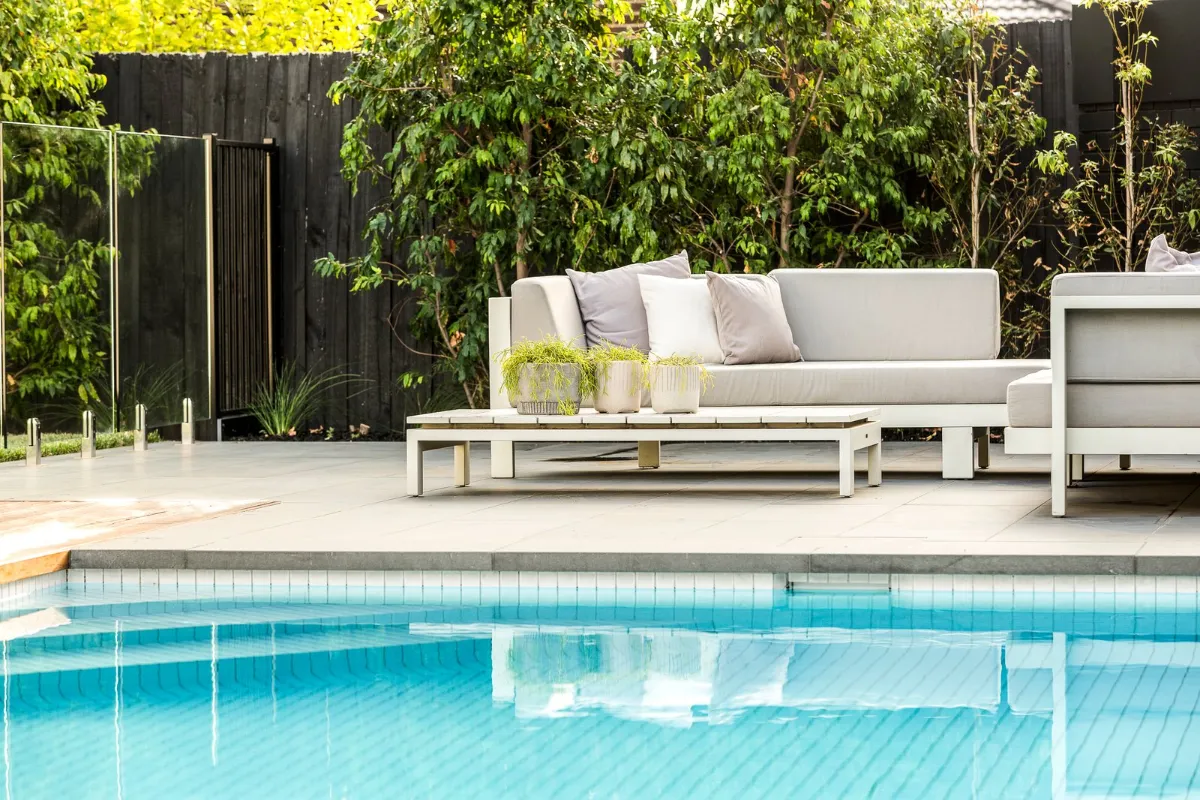 Patio & Concrete CoatingsCool-touch, slip-conscious finishes for terraces, pool decks and entries.
Consultation
Need a fast, sun-stable floor?
Bring up single-visit options when we meet; we’ll confirm whether your slab qualifies.
Call (480) 000-0000